
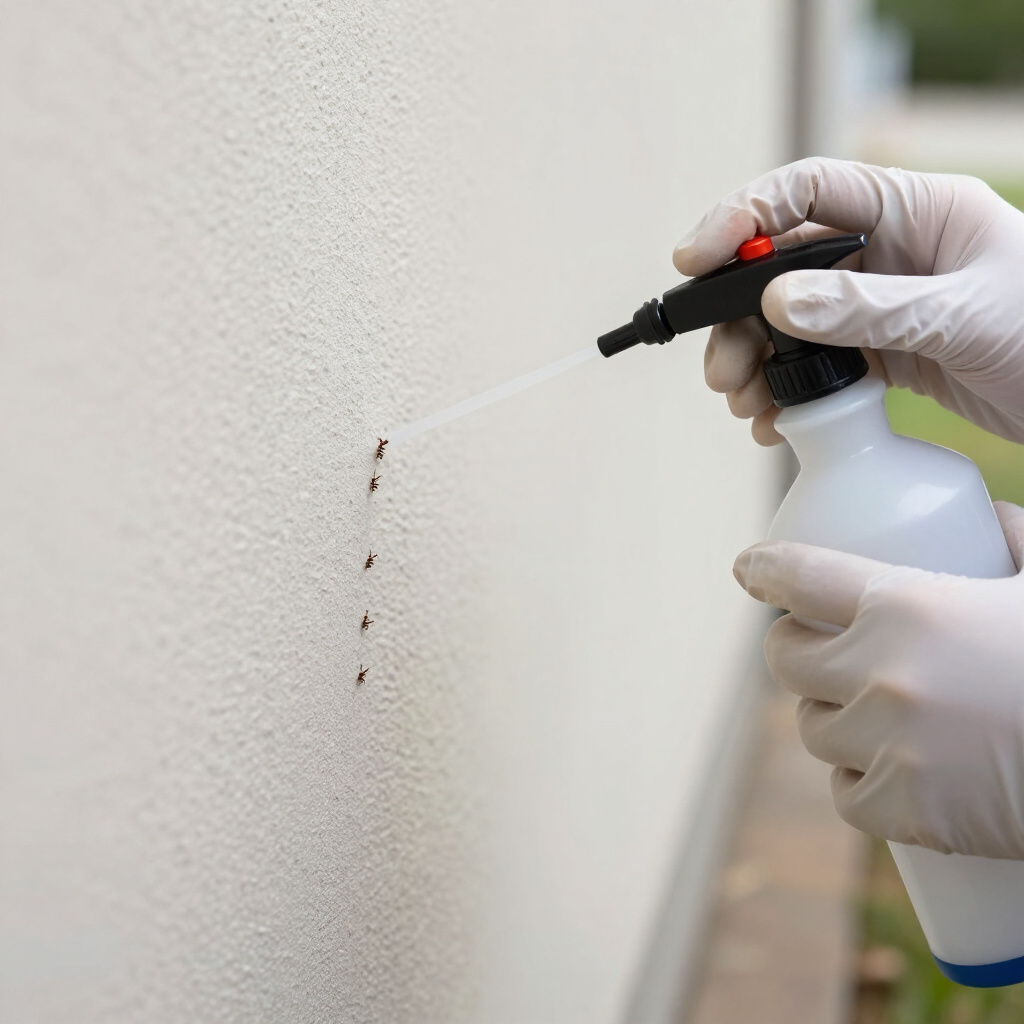


Emergency Pest Control in Wytheville
When pests invade your Wytheville home or business, every minute counts. Our 24/7 emergency pest control team responds day or night to stop infestations before they spread. Whether you're dealing with wasps nesting near your entrance, rodents scratching in your walls, or ants swarming your kitchen during a holiday weekend, we arrive fully equipped to eliminate the threat immediately.
Wytheville's location in the Blue Ridge Highlands creates unique pest pressures. The combination of historic homes, rural properties, and seasonal tourism means infestations can escalate quickly without professional intervention. Our emergency technicians understand local pest patterns and carry targeted solutions for the specific species active throughout Wythe County.
After-hours calls receive the same thorough treatment as scheduled appointments. We don't just apply temporary fixes—we identify entry points, remove active pests, and implement protective measures to prevent return visits. For restaurants along Main Street, bed-and-breakfasts near the interstate, and residential properties throughout town, our rapid response protects your health, reputation, and peace of mind.
Common Urgent Pest Control Issues
Certain pest situations demand immediate professional attention. Calling quickly prevents property damage, reduces health risks, and often lowers overall treatment costs.
Stinging Insect Nests
Yellow jackets, hornets, and paper wasps build aggressively defensive colonies around Wytheville porches, eaves, and outbuildings. Nests near doorways, children's play areas, or high-traffic paths create dangerous stinging hazards, especially for those with allergies. Never attempt DIY removal of established nests—our technicians use professional-grade equipment and protective gear for safe elimination.
Active Rodent Infestations
Hearing scratching, gnawing, or scurrying sounds indicates rodents are already inside your structure. Mice and rats contaminate food supplies, chew electrical wiring (creating fire risks), and multiply rapidly. One female mouse produces up to 60 offspring annually. Emergency trapping and exclusion stops breeding cycles before populations explode.
Bed Bug Discoveries
Finding live bed bugs, shed skins, or blood spots on bedding requires same-day response. These parasites spread room-to-room through wall voids and hitchhiking, making early containment essential. Wytheville's hospitality industry and residential turnover create ongoing exposure risks. Heat treatment and targeted insecticide applications eliminate all life stages.
Termite Swarms and Damage
Eastern subterranean termites thrive in Wythe County's moist soil conditions. Discarded wings near windowsills, mud tubes on foundations, or hollow-sounding wood signal active colonies consuming your structure. Emergency inspections determine infestation scope and implement bait systems or liquid barriers immediately.
Complete Pest Control Services
Beyond emergency response, we provide comprehensive pest management for Wytheville properties of every size and type.
Residential Protection
Quarterly and bi-monthly maintenance plans create consistent barriers against ants, spiders, cockroaches, silverfish, and occasional invaders like millipedes and boxelder bugs. Seasonal treatments address peak activity periods: spring ant swarms, summer mosquito and tick pressure, fall rodent entry attempts, and winter overwintering pests.
Commercial Solutions
Restaurants, hotels, retail stores, healthcare facilities, and warehouses receive customized Integrated Pest Management programs. We prioritize non-chemical methods where feasible, document all treatments for health inspections, and train your staff in pest prevention best practices. Discreet service vehicles protect your business reputation.
Specialized Treatments
Our technicians are certified in advanced techniques including: mosquito and tick habitat reduction for outdoor spaces, wildlife exclusion for squirrels, raccoons, and bats, moisture control and fungal remediation, and pre-construction termite pretreatments for new builds throughout Wythe County.
Serving Wytheville and Wythe County
Our service territory encompasses all of Wytheville and extends throughout Wythe County to protect rural homesteads, mountain cabins, agricultural properties, and commercial developments. We regularly treat homes in the Cedar Hills, Crystal Springs, and Black Lick communities, plus properties along I-81 and I-77 corridors.
The varied terrain of Wythe County—from valley floors to ridge elevations above 3,000 feet—creates distinct microclimates affecting pest behavior. Lower elevations near Reed Creek and Cripple Creek experience heavier mosquito pressure, while higher elevations see more frequent rodent and stink bug issues seeking winter shelter. Our technicians adjust treatment strategies based on your specific location and elevation.
We also serve neighboring communities throughout the region for comprehensive regional coverage.
Frequently Asked Questions
How quickly can you respond to emergency pest calls in Wytheville?
Our emergency team typically arrives within 2-4 hours for urgent situations including stinging insect nests, active rodent infestations, and bed bug confirmations. After-hours calls are routed directly to on-call technicians—never to voicemail or answering services.
Are your treatments safe for homes with children and pets?
Yes. We use EPA-registered products applied according to label specifications with minimum risk to non-target organisms. Our technicians identify sensitive areas and use targeted application methods including crack-and-crevice treatments, bait stations in locked holders, and exterior perimeter barriers that reduce interior chemical exposure.
What makes Wytheville pest control different from other Virginia markets?
Wytheville's elevation changes and rural-urban mix require specialized knowledge. Historic buildings near downtown need careful treatment to preserve structural integrity. Mountain properties face unique wildlife challenges. Our local experience means we understand which species are active at specific elevations and seasons, allowing more effective prevention strategies.