


How to Choose a Pest Control Professional in South Hill
Finding the right pest control provider in South Hill means looking beyond generic promises to understand what works in Mecklenburg County's specific environment. South Hill sits near the North Carolina border where rural landscapes, agricultural areas, and residential neighborhoods create diverse pest pressures throughout the year.
Start by verifying that any company you consider holds proper Virginia Department of Agriculture and Consumer Services licensing. This ensures technicians meet state training requirements and carry appropriate insurance. Ask specifically about experience with the pests common to this region—termites thrive in our humid subtropical climate, while ants, spiders, and rodents frequently move between farmland and residential areas along Highway 58 and I-85 corridors.
Local knowledge matters significantly in South Hill. Providers familiar with Mecklenburg County understand seasonal patterns: mosquito populations surge near Lake Gaston and Kerr Lake tributaries during warm months, and stink bugs seek winter shelter in homes as temperatures drop. Request references from nearby neighborhoods or commercial properties similar to yours. Reputable companies will explain their integrated pest management approach rather than relying solely on chemical treatments.
Compare service agreements carefully. Some South Hill properties, particularly older homes near the historic downtown or rural properties with outbuildings, require ongoing maintenance plans. Clarify whether quoted prices cover initial treatment only or include follow-up visits, warranty periods, and emergency callbacks.
What to Expect from Pest Control Services in South Hill
Professional pest control follows a structured process designed for lasting results rather than quick fixes. Understanding this process helps you prepare and evaluate service quality.
Initial inspection comes first. A technician examines your property's interior, exterior perimeter, crawl spaces, attic, and landscaping features. In South Hill's clay-heavy soils, they pay special attention to moisture intrusion points and foundation cracks where termites and moisture-loving pests enter. They'll identify pest species, nesting locations, and conditions attracting problems.
Next, you'll receive a customized treatment plan with specific recommendations. This might include targeted applications, exclusion work to seal entry points, moisture control strategies, or habitat modifications. For termite concerns common throughout Mecklenburg County, the plan should specify whether liquid barrier treatments, baiting systems, or both are recommended.
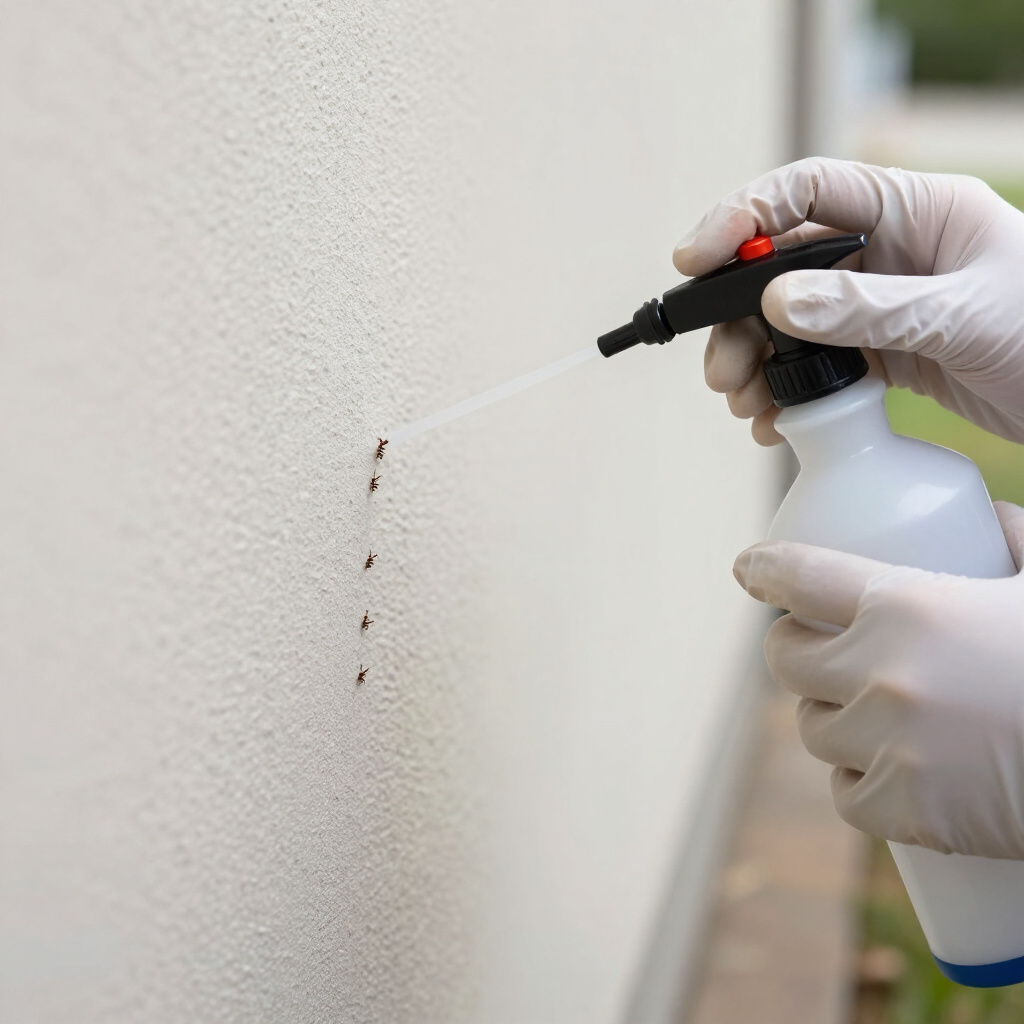
Treatment execution varies by pest and property. Interior applications typically focus on cracks, crevices, and voids rather than broad spraying. Exterior perimeter treatments create protective barriers. The technician should explain any preparation needed—such as removing pet food dishes or allowing access to certain areas—and safety considerations for children and pets.
Finally, expect follow-up and monitoring. Quality providers schedule return visits to assess effectiveness, particularly for persistent infestations or seasonal pests. Many South Hill homeowners benefit from quarterly maintenance programs that prevent problems before they establish.
Available Pest Control Services in South Hill
Providers serving the South Hill area typically offer comprehensive solutions addressing the full spectrum of local pest concerns.
Termite control ranks among the most critical services. Subterranean termites cause substantial damage throughout Virginia, and South Hill's combination of wooden structures and favorable soil conditions makes proactive protection essential. Options include liquid termiticides, bait station systems, and pre-construction treatments for new builds.
General pest management covers ants, cockroaches, spiders, crickets, and silverfish. These services address the routine invaders that enter homes seeking food, water, or shelter, with treatment strategies adapted to each species' behavior.
Rodent control tackles mice and rats that exploit gaps in foundations, utility penetrations, and deteriorated weatherstripping. Effective programs combine trapping, exclusion repairs, and sanitation guidance.
Mosquito and tick reduction serves properties near wooded areas, pastures, or water features. Treatments target adult resting sites and breeding locations, with recommendations for source reduction.
Wildlife management handles squirrels, raccoons, snakes, and other nuisance animals. Humane removal, exclusion, and damage repair prevent recurring conflicts.
Bed bug treatments require specialized expertise given these pests' resilience. Heat remediation and targeted insecticide applications eliminate infestations with thorough follow-up.
Commercial pest control supports South Hill's restaurants, retail stores, warehouses, and agricultural businesses with customized programs meeting regulatory requirements and protecting inventory and reputation.
Frequently Asked Questions
How often should South Hill homes receive pest control treatments?
Most residential properties in Mecklenburg County benefit from quarterly preventive service. Homes with histories of termite activity, those near wooded or agricultural areas, or properties with moisture issues may require more frequent attention, especially during peak spring and summer activity periods.
Are pest control treatments safe for pets and children?
Modern pest control products applied by licensed professionals pose minimal risk when used according to label directions. Reputable providers use targeted application methods that minimize exposure, apply products in inaccessible areas where possible, and provide specific re-entry timing guidance. Always inform your technician about household members with sensitivities.
What makes South Hill particularly vulnerable to termite damage?
South Hill's warm, humid climate supports active termite colonies nearly year-round. The region's clay soils allow easy tunneling, and many established neighborhoods feature mature landscaping that may conceal activity. Additionally, the mix of historic and newer construction creates varied vulnerability profiles requiring individualized assessment.