
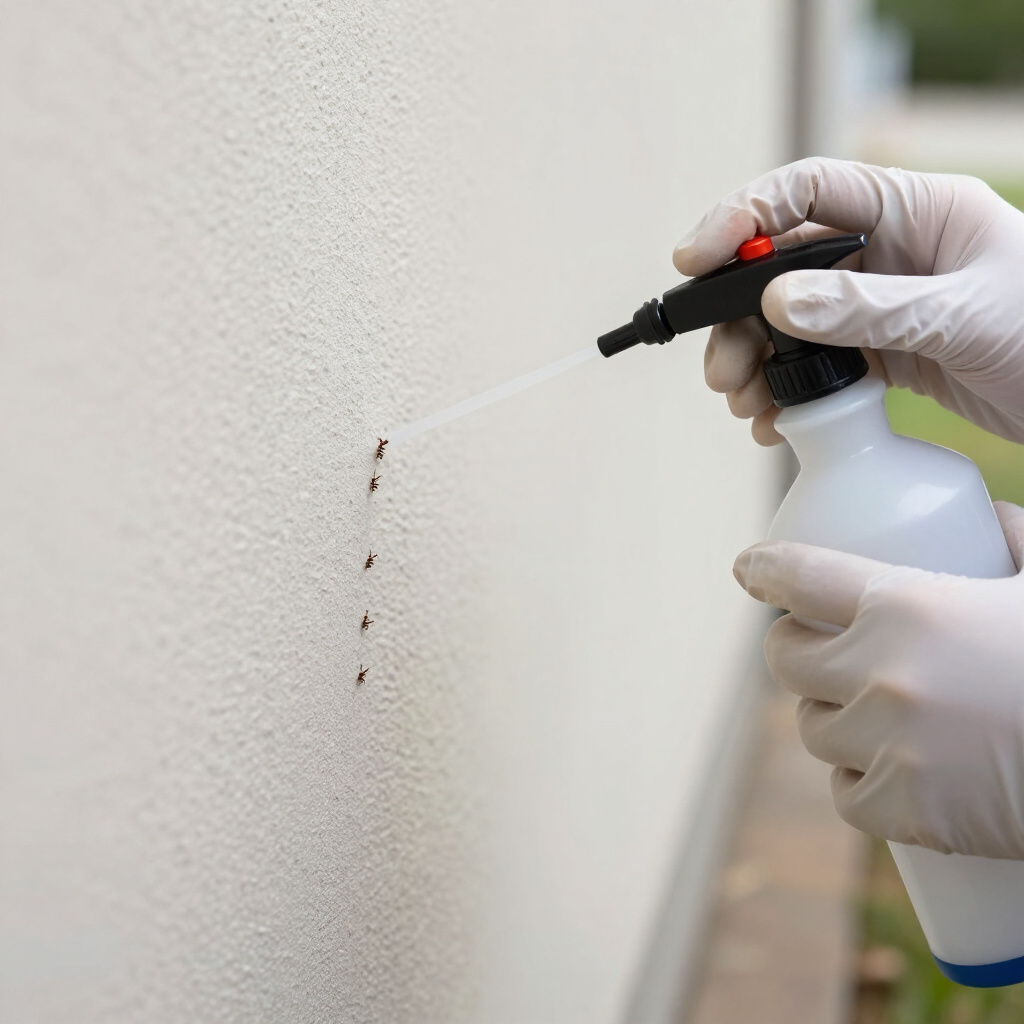


Professional Pest Control Services in Smithfield
Smithfield, Virginia sits in the heart of Isle of Wight County, where historic peanut farms, dense woodlands, and the winding Pagan River create an environment where pests thrive year-round. Homeowners in this rural community face unique challenges—from moisture-loving termites drawn to older homes in the historic district to mosquitoes breeding along riverbanks and agricultural fields.
The humid subtropical climate of southeastern Virginia means pest pressure rarely lets up. Summers bring swarming ants, stinging insects, and relentless mosquito activity, while mild winters allow rodents, spiders, and overwintering pests to remain active or seek shelter in attics and crawl spaces. Whether you live in a restored colonial home near Main Street, a newer subdivision off Benns Church Boulevard, or a rural property surrounded by farmland, professional pest management protects both your property and your peace of mind.
Our technicians understand the specific pest patterns that affect Smithfield and the greater Hampton Roads region. We combine localized knowledge with proven treatment methods to address infestations at their source, not just their symptoms.
Our Pest Control Services in Smithfield
We offer comprehensive solutions tailored to the needs of Smithfield residents and the surrounding Isle of Wight County community:
- Termite Control & Prevention — Subterranean termites pose serious threats to wooden structures, especially in Smithfield's older homes and buildings near moisture sources. Our inspections and treatment plans include liquid barriers, baiting systems, and ongoing monitoring.
- Mosquito Reduction Programs — With the Pagan River, Cypress Creek, and numerous ponds throughout the area, mosquito breeding sites abound. Seasonal treatments target adult populations and larval development zones.
- Rodent Exclusion & Removal — Mice and rats exploit gaps in foundations, rooflines, and utility entries. We seal access points, remove existing populations, and implement monitoring strategies.
- Ant & Cockroach Management — From odorous house ants to wood-destroying carpenter ants, we identify species and apply targeted treatments. Cockroach protocols focus on kitchen and moisture-prone areas.
- Stinging Insect Nest Removal — Yellow jackets, paper wasps, and hornets frequently nest in eaves, sheds, and landscape features. Safe removal protects families and pets.
- Spider Control — Brown recluse and black widow spiders require particular attention. Our perimeter and interior treatments reduce favorable harborage conditions.
- General Pest Protection Plans — Quarterly or bi-monthly preventive service creates consistent barriers against the most common household invaders.
What to Expect: Pest Control Costs in Smithfield
Pest control pricing varies based on the type of service, property size, and severity of infestation. For Smithfield homeowners, general guidelines help set expectations:
A one-time treatment for a specific issue—such as ant trails, spider activity, or a wasp nest—typically ranges from $150 to $350. More complex problems like bed bug elimination or extensive termite damage run substantially higher due to the specialized equipment and follow-up required.
Ongoing protection plans offer the best value for year-round defense. Quarterly preventive service for an average single-family home generally falls between $400 and $700 annually, with initial visits sometimes carrying a separate setup fee. These plans include scheduled exterior perimeter treatments, interior coverage as needed, and free re-service calls between scheduled visits if pests return.
Termite protection represents a separate investment. Liquid barrier treatments for an average home often range from $800 to $2,000 for initial application, with annual renewal fees for monitoring and warranty coverage. Baiting systems follow similar pricing structures with different maintenance schedules.
We provide detailed, written estimates before any work begins—no hidden fees, no pressure to commit to services you don't need.
Areas We Serve in and Around Smithfield
Our service coverage extends throughout Smithfield and across Isle of Wight County, including:
- Smithfield Historic District — Downtown and surrounding neighborhoods with colonial and Victorian-era homes requiring sensitive, effective pest management.
- Benns Church & Cypress Creek — Growing residential areas near schools and commercial development.
- Carrollton & Bartlett — Suburban and semi-rural communities along Route 17 corridor.
- Windsor & Zuni — Northern Isle of Wight County communities with agricultural and residential properties.
- Rushmere & Battery Park — Waterfront and near-water neighborhoods facing elevated mosquito and moisture pest pressure.
We also serve neighboring communities throughout Hampton Roads, ensuring consistent coverage whether you're in town or on the outskirts.
Frequently Asked Questions About Pest Control in Smithfield
What pests are most common in Smithfield, VA?
Termites, mosquitoes, ants, and rodents rank among the most frequent concerns due to Smithfield's humid climate, abundant waterways, and mix of historic and rural properties. Stinging insects and spiders also generate significant service calls during warmer months.
How often should I schedule pest control service?
For most Smithfield homes, quarterly preventive service provides adequate protection. Properties near water, wooded areas, or with previous infestation history may benefit from bi-monthly visits during peak seasons.
Are your treatments safe for children and pets?
Yes. We use EPA-registered products applied according to label specifications. Our technicians target treatments to minimize exposure to non-pest organisms, and we provide clear guidance on re-entry intervals when interior applications are necessary.
Do you handle commercial pest control in Smithfield?
Absolutely. We service restaurants, retail spaces, warehouses, agricultural operations, and office buildings throughout Isle of Wight County. Commercial programs emphasize documentation, discreet service timing, and compliance with health and safety regulations.