


How to Choose a Pest Control Professional in Berryville
Finding the right pest control provider in Berryville means looking beyond basic spray services. Clarke County's rural character—rolling farmland, wooded areas, and historic homes—creates specific pest pressures that differ from urban markets. Here's what to prioritize when selecting a professional.
Local experience matters. Berryville sits at the intersection of agricultural and residential zones, meaning pest patterns shift with crop cycles and seasonal weather. A provider familiar with Clarke County will understand how field mice migrate toward structures after harvest, or how stink bugs move from orchards into homes each fall.
Verify Virginia Department of Agriculture and Consumer Services (VDACS) licensing and ask whether technicians carry structural pest control certifications. Insurance coverage should include both general liability and workers' compensation. Request references from nearby properties—similar home ages in Berryville's historic district versus newer construction near the Route 7 corridor face different challenges.
Evaluate treatment approaches carefully. Integrated Pest Management (IPM) methods reduce chemical dependency through exclusion, habitat modification, and targeted applications. This matters in Clarke County, where well water protection and pollinator health are ongoing community concerns. Ask potential providers how they balance efficacy with environmental stewardship.
Finally, clarify service structures. Does the company offer one-time treatments, seasonal programs, or annual contracts? What happens between scheduled visits if activity resumes? Response time expectations should be explicit, particularly for wood-destroying organisms like termites where delays compound damage.
What to Expect from Pest Control Services in Berryville
Professional pest management follows a structured process designed for lasting results rather than temporary relief. Understanding this sequence helps homeowners prepare and evaluate service quality.
Initial Inspection
A thorough evaluation examines both interior and exterior conditions. Technicians check foundation perimeters, attic spaces, crawl areas, and moisture points. In Berryville's older homes, particular attention goes to stone foundations, original wood framing, and gaps around utility penetrations common in pre-1950s construction. The inspector documents pest evidence, conducive conditions, and entry pathways.
Treatment Planning
Based on findings, the provider develops a customized approach. This specifies target pests, treatment methods, product selection, and scheduling. You should receive written documentation including safety precautions, especially if children, pets, or sensitive individuals occupy the home.
Service Execution
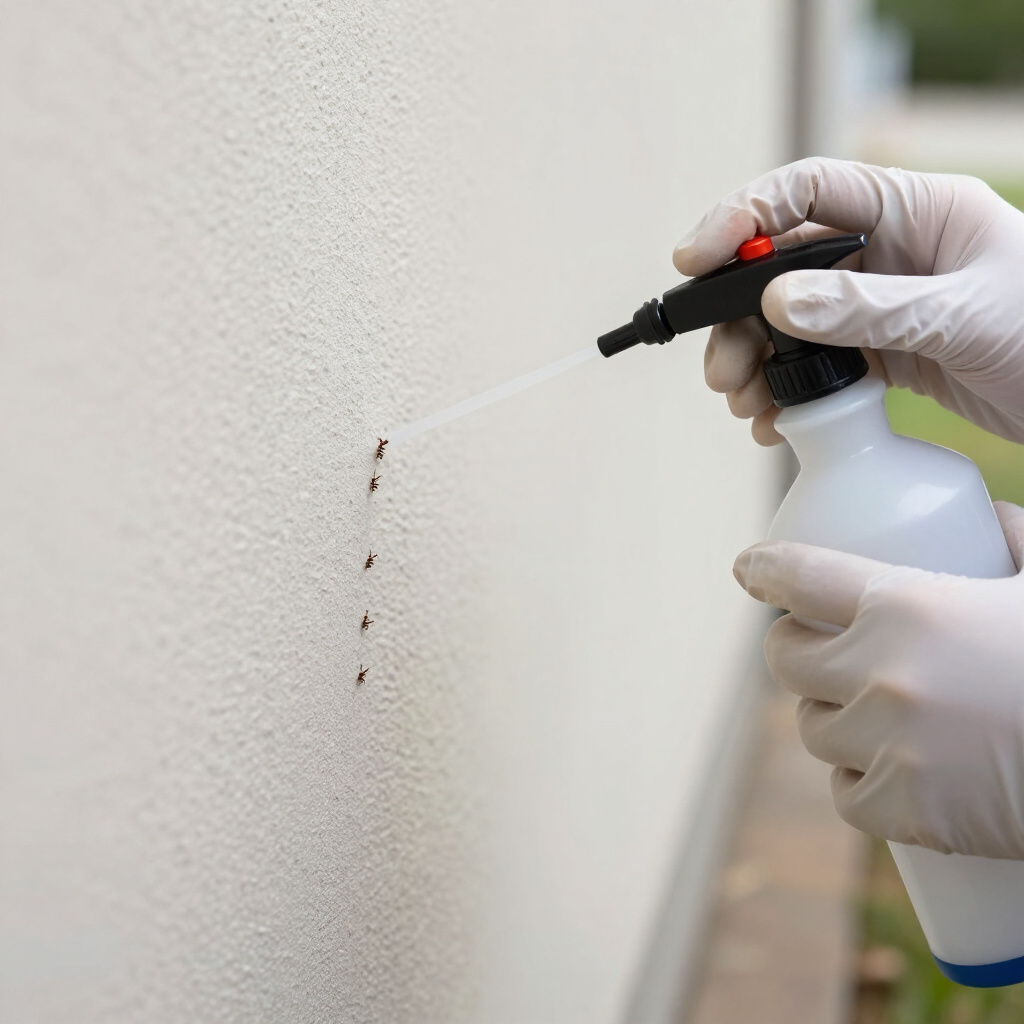
Treatments vary by pest and property. Exterior perimeter applications create protective barriers. Interior spot treatments address active infestations. Baiting systems, dust formulations, or exclusion work (sealing entry points) may supplement liquid applications. For termites, Clarke County properties often require soil treatment or bait station installation given the region's subterranean termite pressure.
Follow-Up and Monitoring
Effective programs include return visits to assess results and adjust tactics. Quarterly maintenance prevents reinfestation in Berryville's climate, where mild winters allow extended pest activity compared to more northern Virginia localities.
Available Pest Control Services
Providers serving Berryville typically offer comprehensive solutions addressing the region's most prevalent pest concerns:
- Residential Pest Control — General protection against ants, spiders, cockroaches, crickets, and occasional invaders with scheduled perimeter maintenance.
- Termite Control — Inspections, liquid soil treatments, and baiting systems targeting Eastern subterranean termites active throughout Clarke County.
- Rodent Control — Mouse and rat exclusion, trapping programs, and population reduction for field rodents common to Berryville's agricultural surroundings.
- Mosquito and Tick Management — Seasonal yard treatments reducing biting pests near wooded properties and along water features.
- Stinging Insect Removal — Safe elimination of wasp, hornet, and yellowjacket nests from eaves, outbuildings, and landscape areas.
- Bed Bug Treatment — Heat remediation and targeted chemical applications for localized infestations.
- Wildlife Control — Humane trapping and exclusion for squirrels, raccoons, skunks, and other wildlife seeking shelter in attics or crawl spaces.
- Moisture and Vapor Barrier Services — Crawl space encapsulation reducing conditions that attract pests and foster wood decay.
Many Berryville homeowners combine general pest control with termite protection, creating layered defense against the area's most destructive and persistent threats.
Frequently Asked Questions
What pests are most common in Berryville homes?
Field mice, brown marmorated stink bugs, ants (particularly odorous house ants and carpenter ants), spiders, subterranean termites, and occasional invaders like millipedes and centipedes rank highest. Seasonal patterns bring mosquitoes and ticks from spring through fall, while Indian meal moths and pantry pests appear year-round.
How often should Berryville properties receive pest control service?
Quarterly exterior maintenance provides consistent protection for most homes. Properties with heavy wooded borders, active agricultural adjacency, or prior infestation history may benefit from bi-monthly service during peak seasons (April–October). Termite monitoring typically occurs annually with bait systems.
Are pest treatments safe for wells and septic systems?
Licensed applicators follow VDACS regulations designed to protect groundwater. Modern termiticides and perimeter treatments feature low water solubility and precise application methods. Always inform your provider if you have a well within treatment proximity—additional buffer zones or alternative products may apply.
When is termite swarming season in Clarke County?
Eastern subterranean termites typically swarm March through May in Berryville, often following warm spring rains. Swarmers indicate established colonies nearby. However, year-round feeding damage occurs regardless of visible swarms, making annual inspections essential even without observed activity.
Can historic homes in Berryville be effectively treated?
Absolutely. Older construction with stone foundations, balloon framing, and minimal vapor barriers requires specialized approaches but responds well to treatment. Providers experienced with Clarke County's historic housing stock use targeted applications, dust formulations in wall voids, and careful exclusion techniques preserving architectural integrity.