

Termites are one of the most destructive pests a homeowner can face, causing billions of dollars in structural damage each year across the United States. The real danger lies in their stealth—they can chew through wood, flooring, and even wallpaper undetected for months or years. By the time you notice obvious signs of termites, significant damage may already be done. Knowing what to look for can help you catch an infestation early and protect your biggest investment.
Common Signs You May Have Termites in Your Home
Recognizing the early warning signs of termites requires a watchful eye and regular inspection of vulnerable areas. Here are the most telling indicators that these silent destroyers may have taken up residence on your property.
Mud tubes on exterior walls or foundations. Subterranean termites, the most common type in many regions, build pencil-width tunnels from soil to wood sources. These mud tubes protect them from dry air and predators while they travel. Look for them along foundation walls, crawl spaces, basement corners, and anywhere soil meets wood. Break open a tube—if active termites are present, you'll see them moving inside, or the tube will be repaired within a day or two.
Hollow-sounding or damaged wood. Tap on wooden beams, baseboards, window sills, and hardwood floors with the handle of a screwdriver. Healthy wood produces a solid, dull thud. If you hear a papery, hollow sound, termites may have eaten the interior while leaving a thin veneer intact. Probe suspicious areas gently—severely damaged wood will give way easily to slight pressure.
Discarded wings near windows and doors. Reproductive termites, called swarmers, emerge in spring to establish new colonies. After their brief flight, they shed their two pairs of equal-sized wings. Piles of these translucent wings on windowsills, near doorframes, or in spider webs signal that a mature colony is nearby—either in your home or very close to it. Don't mistake them for ant wings, which are different sizes.
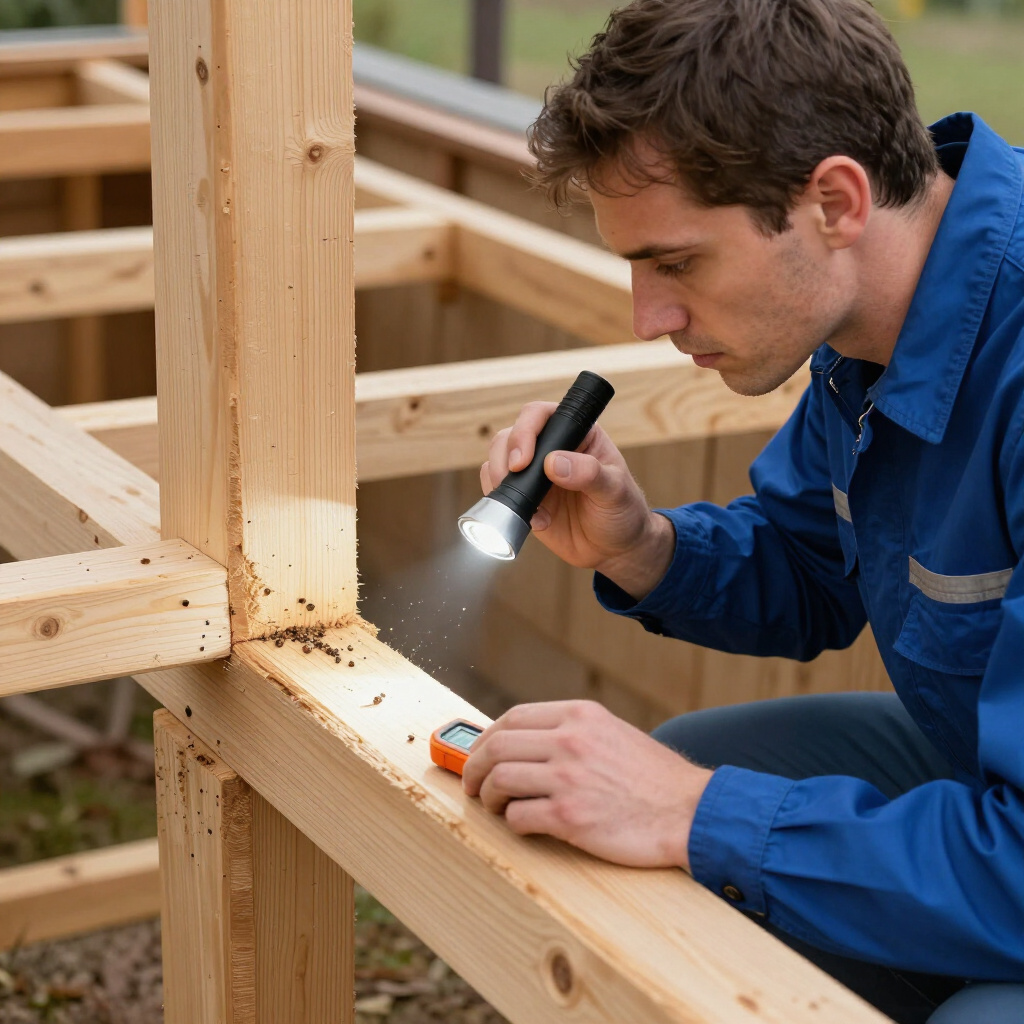
Frass: termite droppings. Drywood termites push their feces out of small holes near their tunnels, creating tiny piles that resemble sawdust or coffee grounds. This frass often accumulates on floors or windowsills below infested areas. Unlike sawdust from construction, frass pellets are uniform in shape with six concave sides—though you'll need magnification to see this detail clearly.
Buckling or blistering paint and wallpaper. As termites consume wood and create moisture within walls, painted surfaces may bubble, peel, or appear water-damaged. Wallpaper can sag or develop mysterious stains. These cosmetic issues often get dismissed as humidity problems, but they're frequently among the subtle signs you may have termites hiding behind the surface.
Sagging floors and ceilings. Advanced infestations compromise structural integrity. Doors and windows may stick as frames warp. Floors might feel springy or uneven. Ceilings can develop cracks or begin to sag. These symptoms indicate extensive damage requiring immediate professional assessment.
Head-banging sounds in walls. Soldier termites bang their heads against tunnel walls to signal danger to the colony. If you press your ear against a wall and hear faint clicking or rustling noises—especially at night when the house is quiet—you may be hearing termite activity. This sign often surprises homeowners who assume termites are completely silent.
Where to Look for Termite Activity
Termites favor specific conditions and locations. Conduct thorough inspections in these high-risk zones at least twice yearly.
Start outside your home. Examine where the foundation meets soil, checking for mud tubes and wood-to-ground contact. Firewood stacks, wooden fence posts, dead tree stumps, and mulch beds placed too close to the house all attract termites and serve as bridge points. Ensure gutters drain properly and downspouts direct water away from the foundation—excess moisture creates ideal conditions for subterranean species.
Inside, focus on basements, crawl spaces, attics, and utility rooms. Inspect around plumbing penetrations, behind appliances, and beneath sinks where leaks may occur. Look at exposed wooden structural elements for any changes in appearance. Even concrete slab foundations aren't immune—termites can enter through cracks as narrow as a business card's edge.
Don't overlook less obvious entry points. Expansion joints, hollow concrete blocks, and spaces around electrical conduits all provide access. If your home has had previous termite damage, pay extra attention to those areas, as remaining pheromone trails can attract new colonies.
What to Do If You Suspect Termites
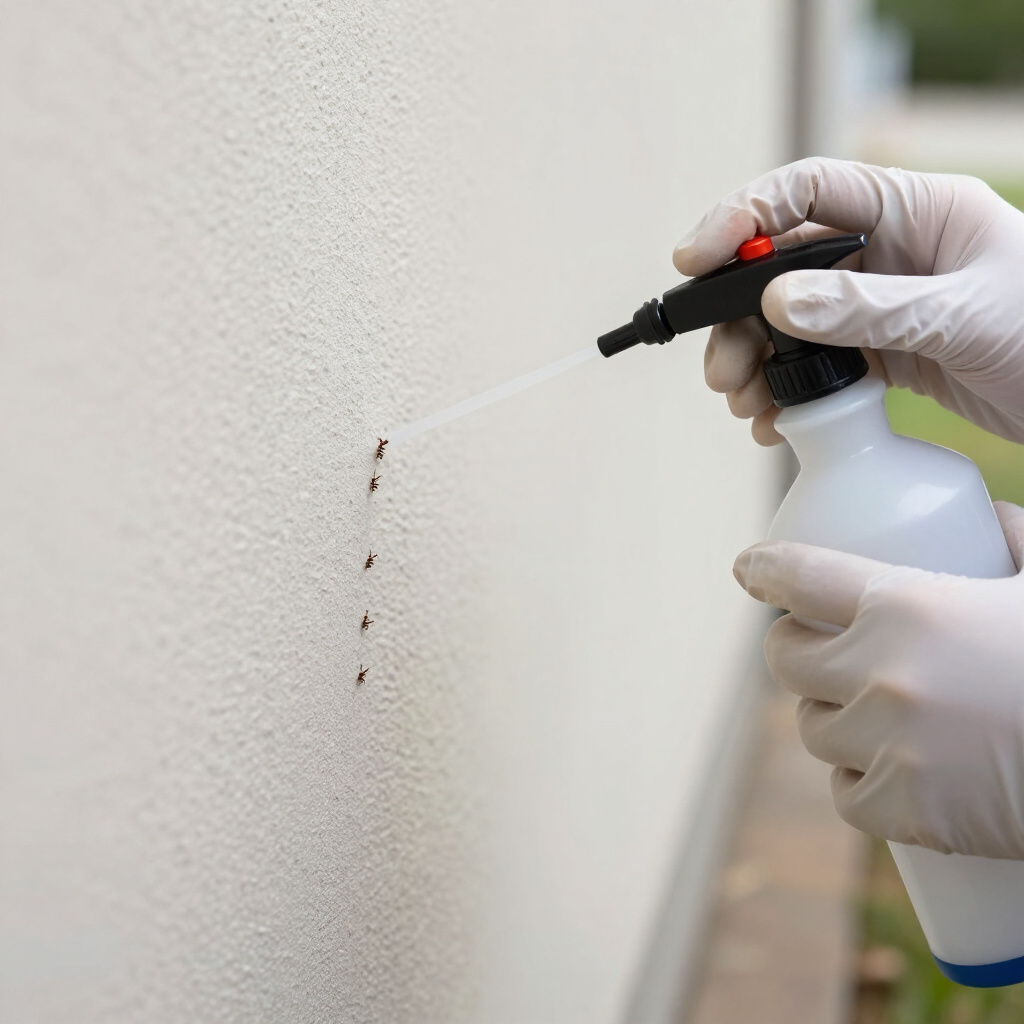
Discovering potential signs you may have termites can be alarming, but prompt action minimizes damage and treatment costs. Resist the urge to disturb visible mud tubes or spray over-the-counter insecticides—this can scatter the colony and make professional treatment more difficult.
Contact a licensed pest control professional for a thorough inspection. They'll identify the termite species, assess infestation extent, locate entry points, and recommend appropriate treatment. Modern options include liquid soil barriers, baiting systems, and localized or whole-structure fumigation depending on the situation. Ask about warranties and ongoing monitoring programs, as prevention remains far more affordable than repairing structural damage.
While waiting for professional help, address conducive conditions: repair leaks, improve ventilation in crawl spaces, remove wood debris from around the foundation, and trim vegetation touching your home. These steps won't eliminate an active infestation but support long-term protection.
Final Thoughts
Termites work slowly but relentlessly, making vigilance your best defense. The signs you may have termites range from obvious structural changes to easily overlooked details like discarded wings or subtle wall sounds. Regular self-inspections combined with professional evaluations every one to two years catch problems before they escalate into major repairs. Remember that homeowners insurance typically excludes termite damage, placing the full financial burden on you. Investing time in prevention and early detection protects both your home's value and your peace of mind. If anything in this article sounds familiar based on what you've observed around your property, schedule an inspection sooner rather than later—your future self will thank you.