
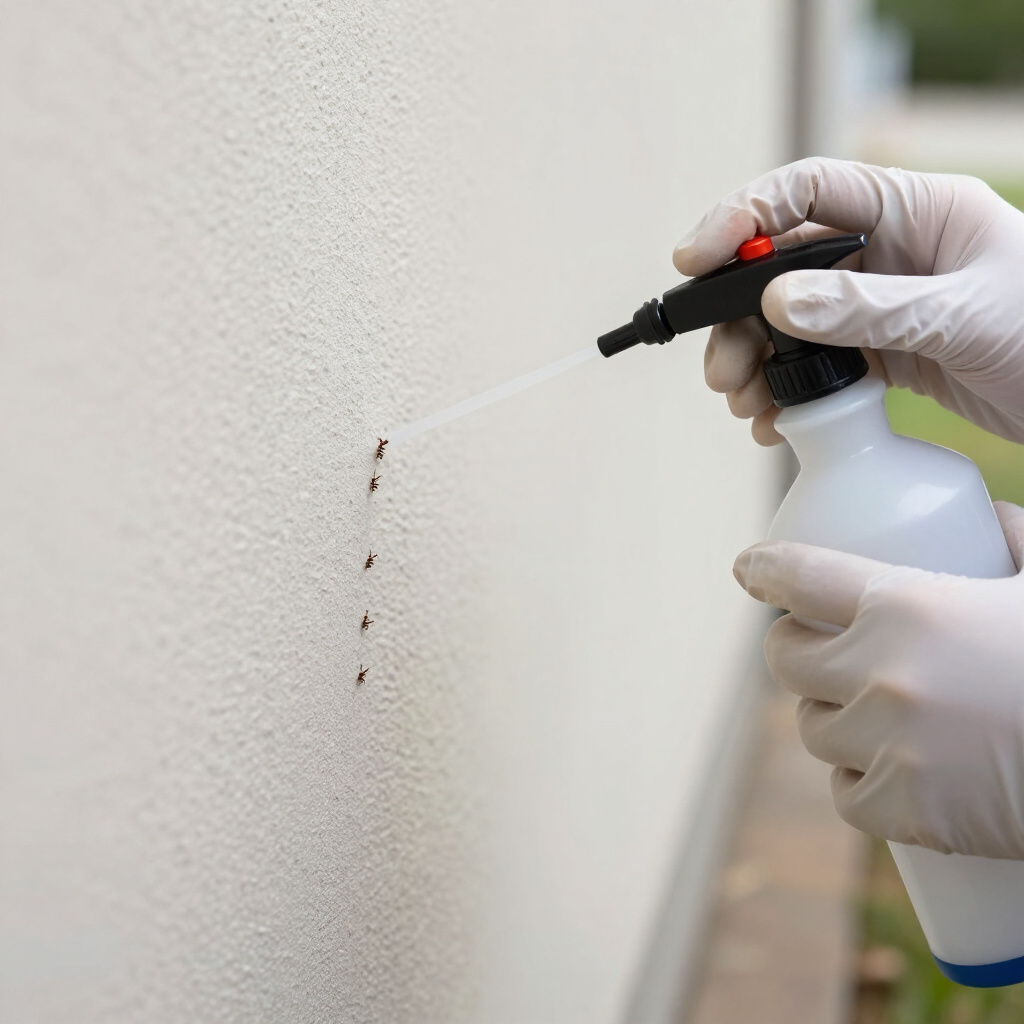


Pests don't take vacations — they simply change their behavior with the seasons. What drives ants into your kitchen in July won't be what sends rodents scrambling for your attic in December. A reactive approach to pest control leaves homeowners constantly playing catch-up, often after significant damage has already occurred. The smarter strategy? A seasonal pest control checklist that anticipates problems before they arrive, keeping your home protected year-round while reducing the need for emergency interventions.
Why a Seasonal Pest Control Checklist Protects Your Home Year-Round
A seasonal pest control checklist isn't just a nice-to-have organizational tool — it's the foundation of effective, prevention-focused pest management. Pests follow predictable patterns driven by temperature, moisture, food availability, and breeding cycles. When you align your home maintenance and pest prevention efforts with these natural rhythms, you stop infestations before they gain momentum.
Spring brings awakening hibernators and aggressive colony-building. Summer delivers peak insect activity and moisture-seeking pests. Fall triggers desperate entry attempts as temperatures drop. Winter forces pests indoors where they breed quietly in hidden spaces. Each season demands specific actions, and missing even one window of opportunity can leave your home vulnerable for months.
Perhaps most importantly, a proactive seasonal approach saves money over time. Emergency treatments, structural repairs from termite damage, and health costs from disease-vectoring pests far exceed the modest investment in routine prevention. Your home represents one of your largest investments — protecting it systematically simply makes financial sense.
Your Season-by-Season Pest Control Checklist
Spring: Inspection and Exclusion
As temperatures rise, pests emerge from winter hiding and begin reproductive cycles with urgency. Your spring focus should be thorough inspection and sealing entry points before populations explode.
Start with your home's exterior perimeter. Inspect foundation walls for cracks wider than a quarter-inch — mice need only this much space to enter. Check window screens for tears, door sweeps for gaps, and utility penetrations for deteriorating sealant. Trim tree branches and shrubs to maintain at least 18 inches of clearance from your structure, eliminating natural bridges for ants, spiders, and rodents.
Inside, examine basements and crawl spaces for moisture accumulation, which attracts spring-active pests like centipedes, earwigs, and sowbugs. Clean gutters and downspouts to prevent water damage that weakens wood and creates attractive conditions for carpenter ants and termites. Consider scheduling a professional termite inspection, as spring swarming season offers the best opportunity for early detection.
Summer: Moisture Management and Outdoor Defense
Summer heat drives pests toward moisture sources and cool indoor environments. Mosquitoes breed in standing water, ants trail toward kitchen spills, and wasps construct nests in eaves and overhangs.
Eliminate standing water weekly — bird baths, clogged gutters, plant saucers, and tarps all provide mosquito breeding habitat. Maintain air conditioning drip pans and repair plumbing leaks promptly. Store garbage in sealed containers and rinse recyclables before storage to reduce food odors that attract flies and yellowjackets.
For outdoor living spaces, inspect play structures and deck undersides for wasp nest construction. Treat or replace weathered wood that attracts carpenter bees. Apply perimeter treatments around foundation if ant activity persists, but avoid indiscriminate spraying that harms pollinators. Consider installing yellow "bug lights" near entry doors to reduce nighttime insect attraction.
Fall: The Critical Sealing Window
Fall represents perhaps the most important season for your seasonal pest control checklist. As nighttime temperatures drop, rodents, stink bugs, boxelder bugs, and overwintering wasps seek harborage — and your heated home offers irresistible sanctuary.
Conduct your most thorough exterior inspection now. Install door sweeps on garage and basement doors, seal gaps around plumbing and electrical penetrations with copper mesh or rodent-proof sealant, and repair damaged soffits and fascia that allow attic access. Screen attic vents, chimney openings, and dryer vents with appropriate mesh sizes — quarter-inch for rodents, finer mesh for insects.
Store firewood at least 20 feet from your home and elevate it on racks to reduce termite and ant harborage. Rake leaves away from foundation walls, as accumulated organic matter creates ideal conditions for millipedes, sowbugs, and overwintering pest populations. Inside, declutter storage areas where rodents might nest, and inspect incoming holiday decorations stored in garages or sheds for stowaway pests.
Winter: Monitoring and Indoor Vigilance
Winter doesn't mean pest activity ceases — it goes underground, quite literally, into your walls, attic, and crawl spaces. Rodents remain active breeders indoors, and occasional warm spells can trigger mid-winter ant or termite activity.
Maintain vigilance for rodent signs: droppings in cabinet corners, gnaw marks on food packaging, greasy rub marks along baseboards, or scratching sounds in walls. Set traps in garage and basement areas if you've had historical problems, checking them regularly. Continue storing all food, including pet food and birdseed, in sealed metal or heavy plastic containers.
Schedule any deferred professional inspections now, when pest control companies typically have more availability. Review your year — what worked, what failed, what new vulnerabilities appeared? Use this quieter season to plan improvements for the coming spring.
Key Tips for Making Your Checklist Stick
Even the best seasonal pest control checklist fails without consistent execution. Calendar your seasonal tasks with phone reminders or home maintenance apps, treating them with the same priority as HVAC filter changes or smoke detector battery replacements. Many homeowners find success linking pest tasks to existing seasonal rituals — gutter cleaning with fall leaf raking, window screen inspection with spring window washing.
Document your findings each season. Photograph problem areas, note pest sightings with dates, and record what treatments you applied. This history becomes invaluable for identifying patterns, evaluating treatment effectiveness, and providing professionals with accurate information if intervention becomes necessary.
Know your limits. DIY prevention handles most seasonal maintenance admirably, but recognize when professional expertise serves you better: termite evidence, persistent rodent issues despite sealing efforts, stinging insect nests in hazardous locations, or any pest affecting family health. The best homeowners combine diligent self-maintenance with strategic professional partnerships.
Finally, communicate with household members. Children who understand why cookie crumbs attract ants become partners in prevention, not unwitting contributors to problems. Make pest awareness a normal part of responsible home care, not a source of anxiety or shame.
Final Thoughts
Effective pest control isn't about dramatic interventions or living in fear of unwanted visitors. It's about consistent, seasonally-appropriate action that keeps your home inhospitable to pests while remaining comfortable for your family. A seasonal pest control checklist transforms overwhelming, reactive worry into manageable, proactive habits.
Start wherever you are in the calendar cycle. Complete the current season's tasks, then build backward and forward until you have full-year coverage. Over time, these rhythms become automatic, your home grows more secure, and you'll spend far less energy — and money — dealing with pest emergencies that never needed to happen. Your future self, enjoying a peaceful winter evening without scratching sounds in the walls, will thank you.