
More homeowners than ever are searching for ways to protect their families and properties without relying heavily on synthetic chemicals. Whether you're worried about children playing on treated lawns, pets exploring the garden, or simply want a more eco-conscious approach, natural pest control methods that actually work are worth understanding. The good news? You don't have to choose between effectiveness and safety. When applied correctly, nature-based solutions can tackle everything from ants in the kitchen to mosquitoes in the backyard—often with lasting results.
Natural Pest Control Methods That Actually Work Start with Prevention
The foundation of any successful pest management strategy is making your home and yard less inviting to unwanted visitors. Pests need food, water, and shelter to survive. Remove even one of these essentials, and populations struggle to establish themselves.
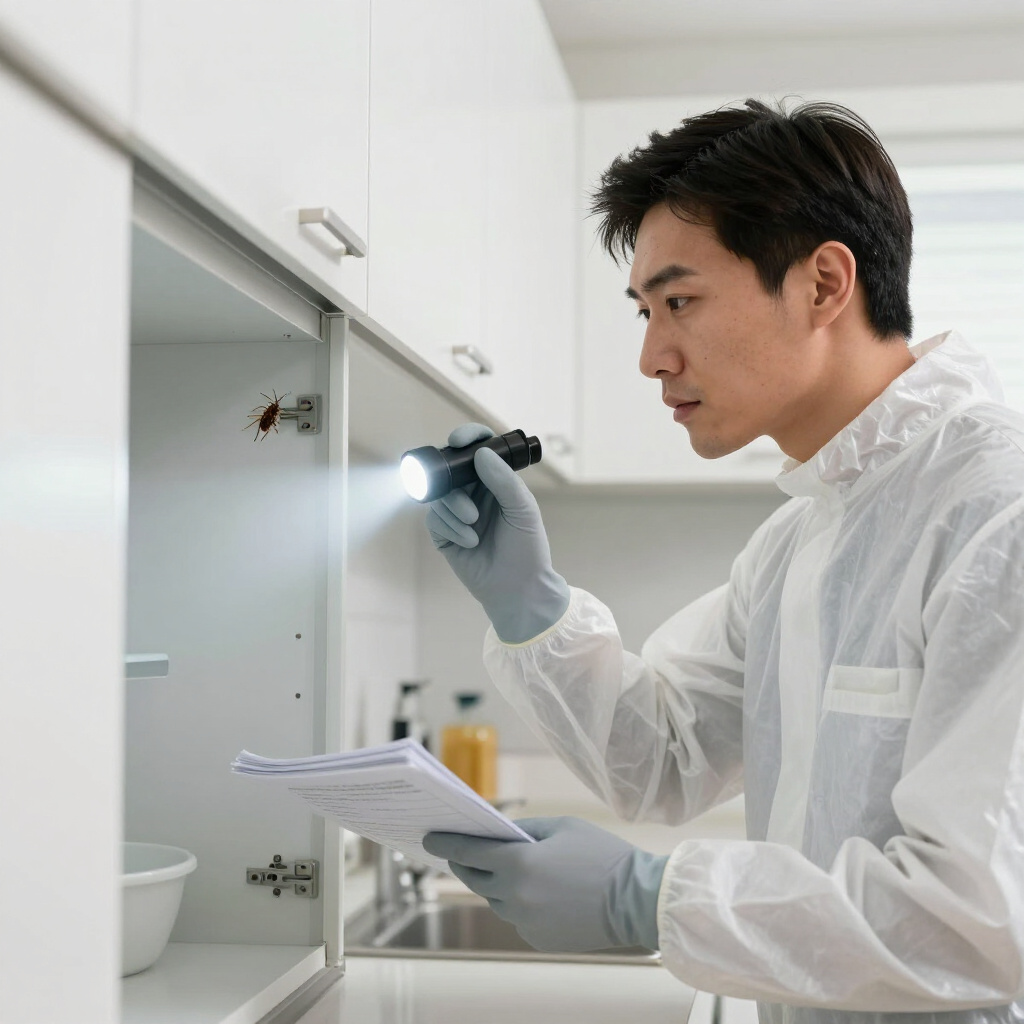
Inside your home, store dry goods in airtight glass or thick plastic containers. Crumbs and unsealed pantry items are an open invitation to ants, weevils, and rodents. Fix leaky faucets and address condensation issues promptly—standing moisture attracts cockroaches, silverfish, and drain flies. Declutter storage areas where spiders and mice might nest, paying special attention to basements, attics, and garage corners.
Outdoors, maintain a tidy perimeter. Trim shrubs and tree branches so they don't touch your home's exterior, eliminating natural bridges for ants, squirrels, and carpenter ants. Keep firewood stacked at least twenty feet from your foundation. Ensure gutters drain properly and don't harbor stagnant water, which becomes prime breeding territory for mosquitoes.
Physical barriers also deserve attention. Install door sweeps and repair torn window screens. Seal cracks around utility penetrations with copper mesh or quality caulk—materials rodents cannot easily gnaw through. These prevention steps require effort upfront but dramatically reduce the need for any intervention later.
Botanical and Biological Solutions for Active Problems
When pests have already arrived, several plant-derived and biological treatments offer genuine control without the persistence of synthetic pesticides in your environment.
Neem oil stands out as one of the most versatile botanical options. Extracted from the seeds of the neem tree, this oil disrupts insect feeding and growth cycles. It's particularly effective against soft-bodied pests like aphids, whiteflies, and scale insects in gardens. For indoor use, diluted neem sprays can manage fungus gnats around houseplants when applied to soil surfaces. Always apply in evening or early morning to avoid harming beneficial pollinators.
Diatomaceous earth provides mechanical rather than chemical control. This fine powder consists of fossilized aquatic organisms with microscopic sharp edges. When crawling insects like ants, cockroaches, or fleas contact food-grade diatomaceous earth, it damages their protective exoskeletons and leads to dehydration. Apply thin layers in wall voids, behind appliances, and along baseboards where pests travel. Reapply after vacuuming or if the powder becomes damp, as moisture reduces effectiveness.
Beneficial nematodes offer biological control for soil-dwelling pests. These microscopic roundwodes parasitize and kill lawn grubs, flea larvae, and certain caterpillars. Applied to moist soil via watering can or hose-end sprayer, they actively seek hosts in the ground. Because they're living organisms, timing matters—apply in early morning or evening and avoid storage in hot conditions.
Bacillus thuringiensis (Bt) is a naturally occurring soil bacterium that specifically targets caterpillar pests and mosquito larvae. Different strains address different pests, so match the product to your problem. Bt is harmless to humans, pets, and beneficial insects, making it ideal for vegetable gardens where butterflies and bees are welcome visitors.
Targeted Remedies for Common Household Pests
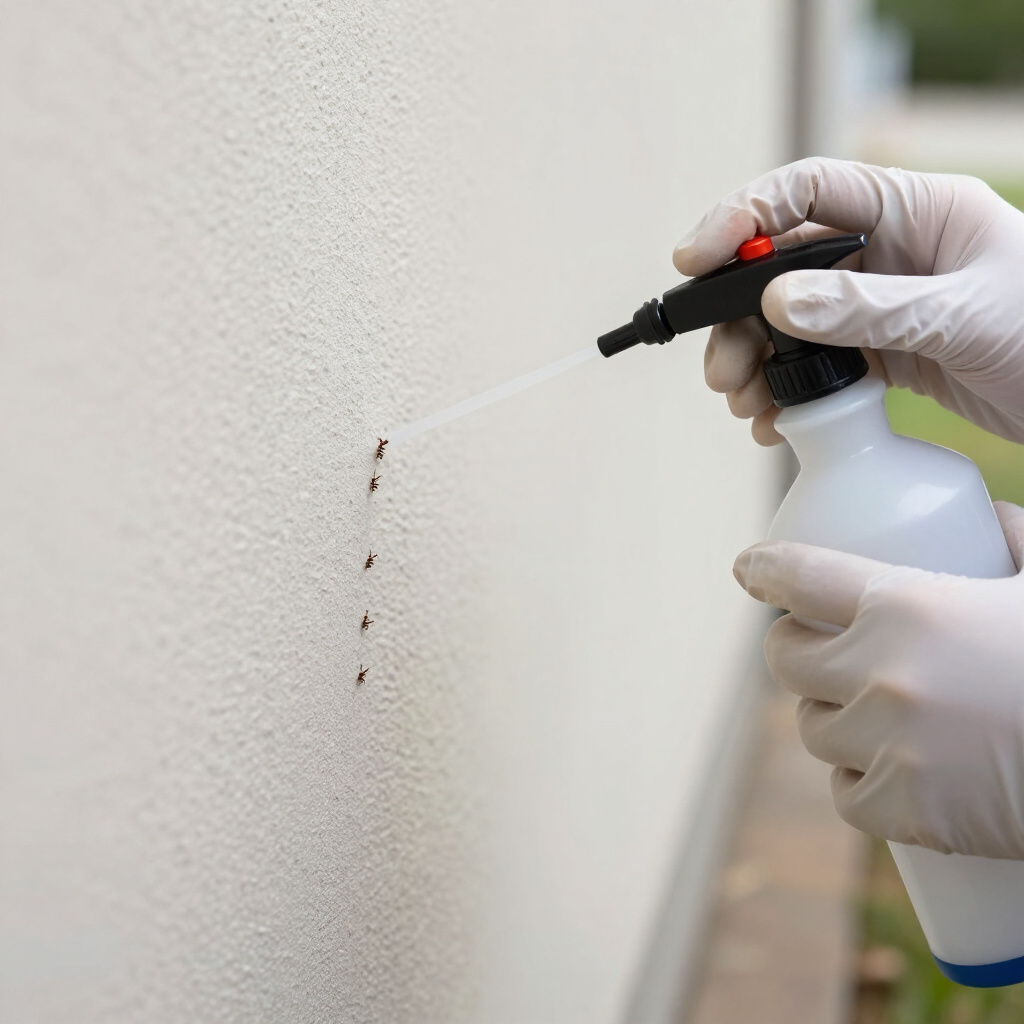
Specific situations call for focused approaches. For ants trailing across countertops, locate and treat the entry point rather than spraying randomly. A line of food-grade diatomaceous earth or a vinegar-water solution (equal parts) across their path disrupts the pheromone trail they follow. For persistent colonies, boric acid bait stations placed out of reach of children and pets can eliminate the nest through trophallaxis—the food-sharing behavior of social insects.
Fruit flies breeding in drains require a different tactic. Pour boiling water down problem drains, followed by a baking soda and vinegar treatment, to disrupt organic buildup where larvae develop. Keep ripening fruit refrigerated and compost containers sealed and emptied frequently.
For mosquito management beyond eliminating standing water, consider introducing mosquito dunks containing Bti (Bacillus thuringiensis israelensis) to rain barrels, pond edges, and any water features you cannot drain. These target larvae specifically without affecting birds, fish, or amphibians.
Spiders, while beneficial predators, sometimes establish webs in inconvenient locations. Regular dusting and vacuuming of corners, combined with reducing their insect prey through general prevention, typically resolves issues without direct treatment against the spiders themselves.
Key Tips for Success with Natural Approaches
Natural pest control methods that actually work share one requirement: patience and consistency. Unlike fast-acting synthetic chemicals that may provide immediate knockdown, biological and botanical approaches often work more gradually or preventatively. Adjust your expectations and stay committed to the process.
Identify your pest correctly before treating. Misidentification leads to ineffective product selection and wasted effort. A remedy for ants won't address a carpenter bee problem. When uncertain, consult extension resources or a professional for identification assistance.
Respect concentration and application guidelines. "Natural" does not mean unlimited application is safe or more effective. Over-applied neem oil can harm plants; excessive diatomaceous earth becomes repellent to insects rather than lethal. Follow label directions precisely.
Integrate multiple tactics rather than relying on single solutions. The most resilient pest management combines exclusion, habitat modification, biological controls, and targeted treatments when necessary. This integrated approach reduces the chance of pest populations adapting or rebounding.
Monitor and document results. Note what you applied, when, and the observed effects. This record helps refine your approach season to season and identifies patterns in pest pressure around your property.
Final Thoughts
Effective pest management doesn't require choosing between harsh chemicals and surrendering your home to invaders. Natural pest control methods that actually work are grounded in understanding pest biology, consistent prevention, and well-chosen biological or botanical interventions when needed. The investment in learning these approaches pays dividends in a healthier living environment and often reduced long-term costs.
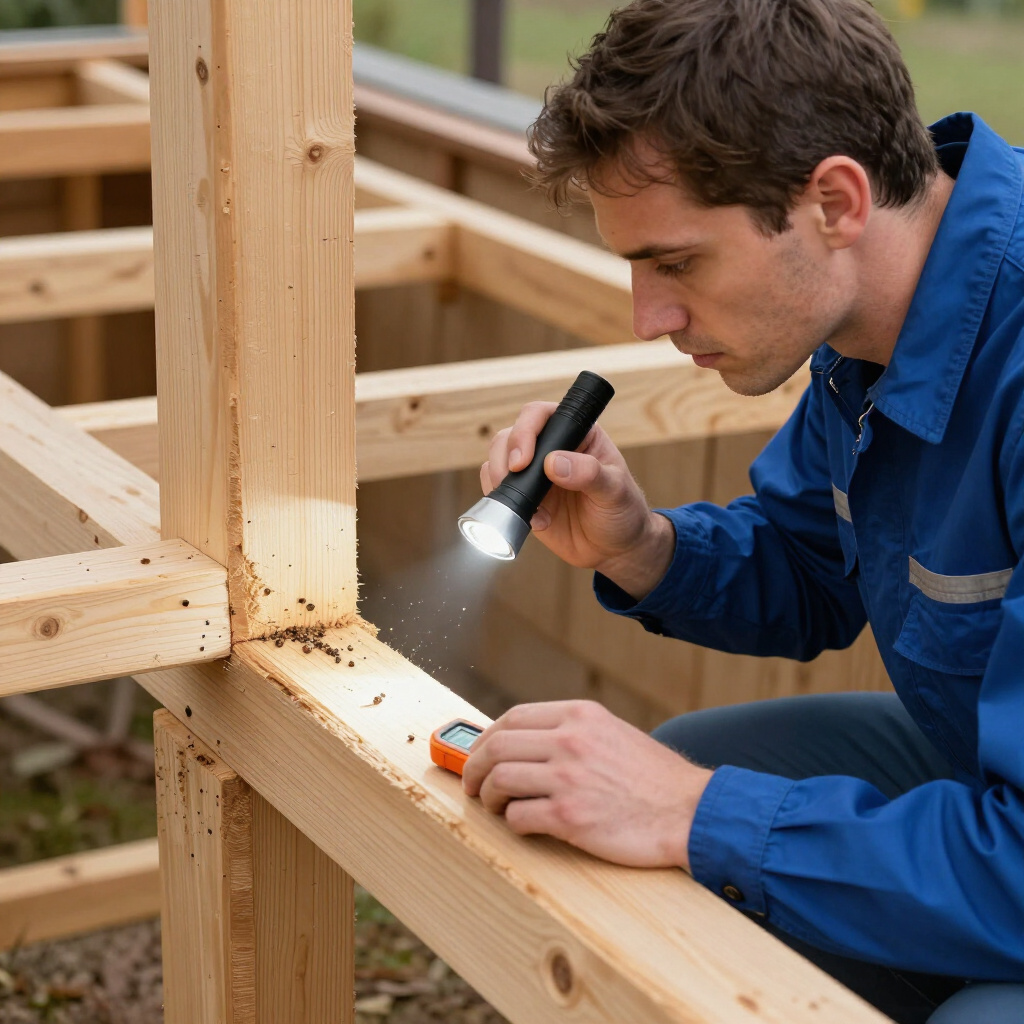
Some situations—termite infestations, extensive carpenter ant damage, or recurring rodent issues—may still warrant professional evaluation even when you prefer natural methods. A knowledgeable pest control professional can integrate low-toxicity options into a comprehensive management plan tailored to your specific property and concerns.
Start with prevention, respond thoughtfully when issues arise, and maintain realistic expectations about timing. With this balanced approach, you can protect your home effectively while keeping your family's wellbeing at the center of every decision.