

Finding an unexpected visitor in your home is never pleasant—especially when that visitor has six legs and an appetite for your pantry, wiring, or wooden structures. Whether you're dealing with a current infestation or simply want to keep your home protected, understanding which pests pose the biggest threat and how to stop them before they settle in is essential for every homeowner.
Most Common Household Pests and How to Prevent Them
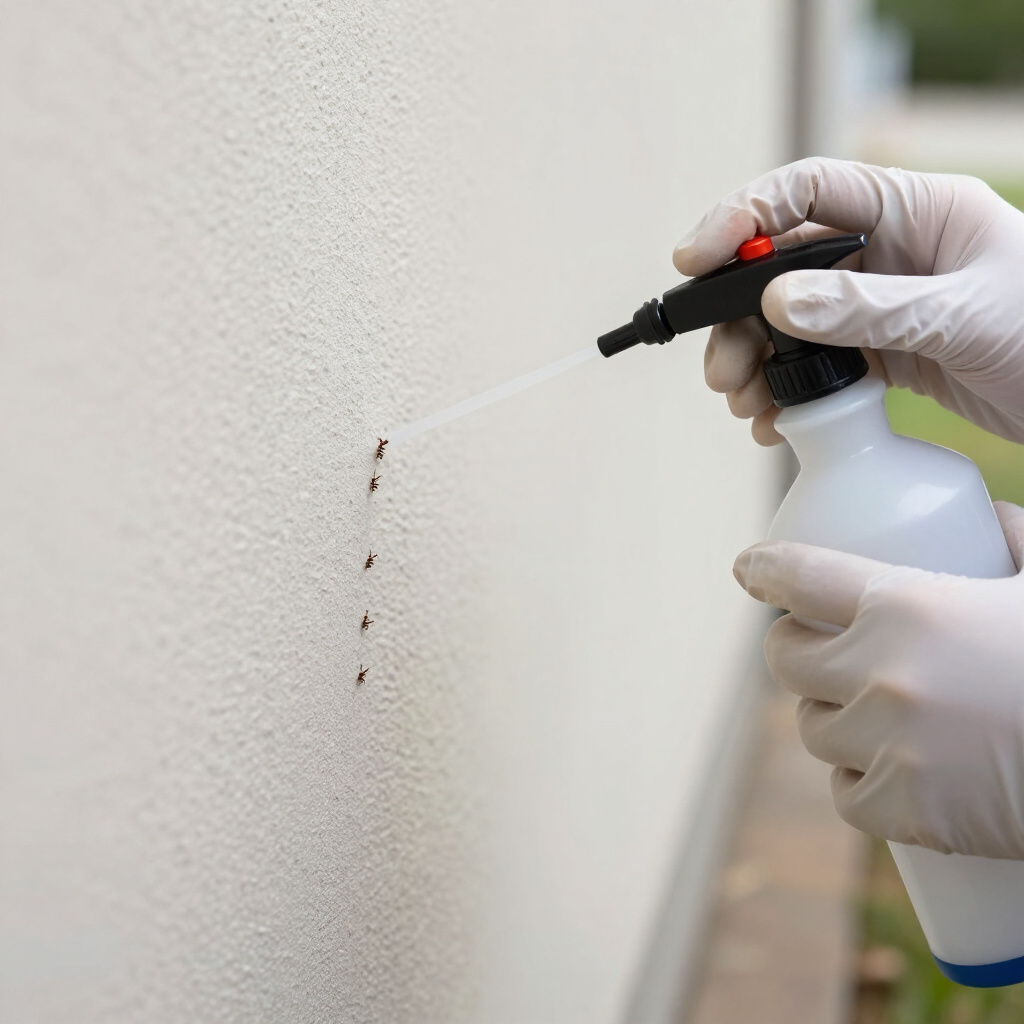
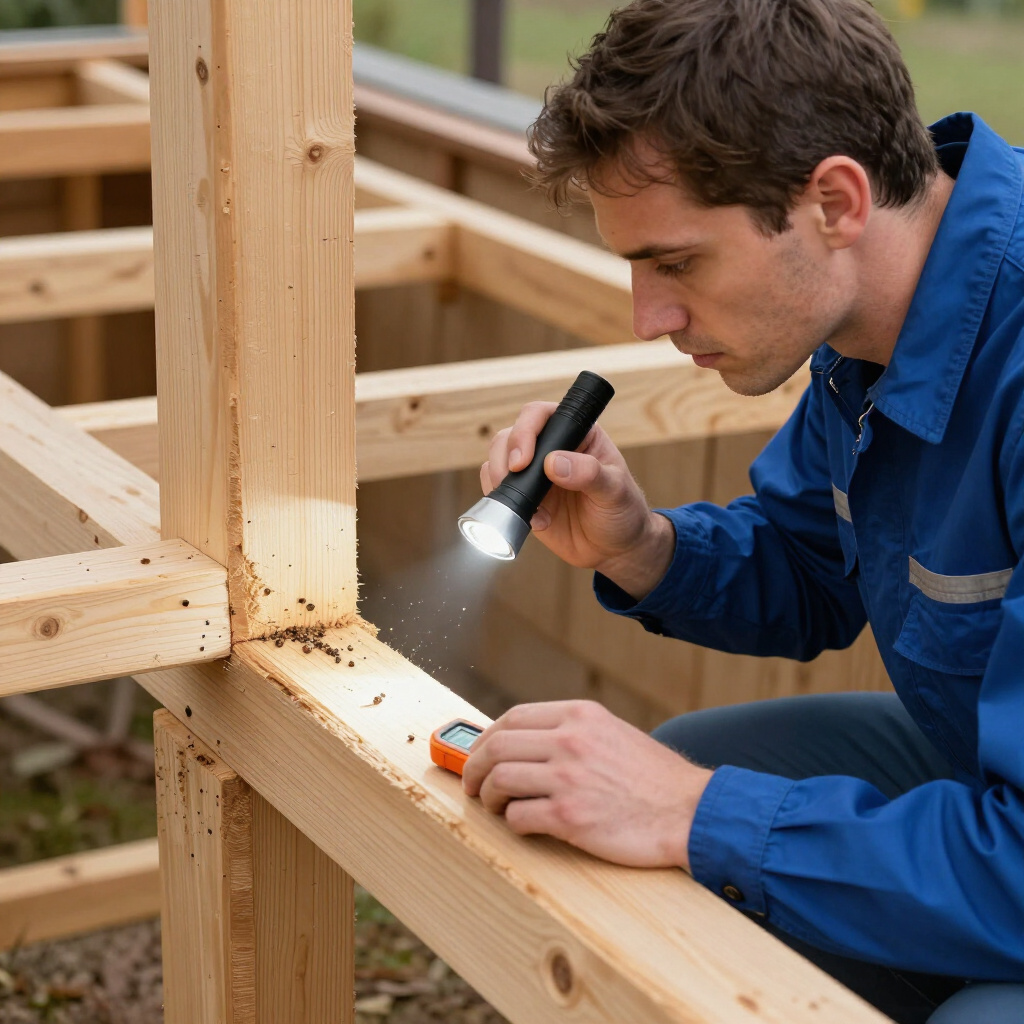
Certain pests seem to find their way into homes regardless of season or location. Ants trail through kitchen cabinets in search of sugar, while cockroaches squeeze through impossibly small cracks to access food and moisture. Termites silently destroy wooden structures from the inside out, often going undetected for months or even years. Rodents chew through walls, contaminate food, and create fire hazards by gnawing on electrical wiring. Meanwhile, spiders, silverfish, and occasional invaders like earwigs and stink bugs make their presence known in basements, attics, and crawl spaces.
Each of these pests brings unique risks. Cockroaches spread bacteria and trigger allergies. Termites cause billions of dollars in structural damage annually. Rodents introduce parasites and diseases into living spaces. Understanding what attracts these pests to your home is the first step in keeping them out.
Prevention Strategies That Actually Work
Effective pest prevention starts with making your home as unwelcoming as possible to unwanted critters. This doesn't require expensive equipment or harsh chemicals—just consistent habits and attention to detail.
Seal entry points meticulously. Most household pests enter through gaps around doors, windows, utility lines, and foundation cracks. A mouse can squeeze through an opening the width of a pencil. Inspect your home's exterior seasonally, paying special attention to areas where different building materials meet. Use steel wool for rodent entry points (they can't chew through it), silicone caulk for smaller gaps, and weatherstripping around doors and windows.
Eliminate moisture sources. Damp environments attract cockroaches, silverfish, termites, and many other pests. Fix leaky faucets promptly, ensure proper ventilation in bathrooms and kitchens, and use dehumidifiers in basements and crawl spaces. Direct downspouts away from your foundation and grade your landscape so water flows outward rather than pooling against your home.
Store food properly. Keep pantry items in airtight glass or thick plastic containers rather than original packaging. Clean up crumbs and spills immediately, and don't leave pet food out overnight. Regularly clean behind appliances where grease and debris accumulate—this is prime real estate for cockroaches and ants.
Manage your landscape wisely. Trim tree branches and shrubs so they don't touch your home's exterior, creating natural bridges for pests. Keep firewood stacked at least twenty feet from your house and elevated off the ground. Maintain a clean gutter system, as clogged gutters create moisture problems and pest harborage.
Key Tips for Long-Term Protection
Prevention isn't a one-time task—it requires ongoing vigilance and seasonal adjustments. Here are additional strategies that strengthen your home's defenses over time.
Schedule regular professional inspections, particularly for termites. These destructive pests often reveal themselves only after significant damage has occurred. An annual inspection by a qualified pest control professional can catch problems early, when treatment is simpler and less costly.
Be cautious about what you bring into your home. Secondhand furniture, used appliances, and even grocery bags can harbor hitchhiking pests. Inspect items carefully before bringing them indoors, especially if they've been stored in garages, sheds, or other outbuildings.
Understand seasonal pest patterns. Ants become more active in spring, seeking food after winter dormancy. Rodents move indoors as temperatures drop in fall. Stinging insects peak in late summer. Adjust your prevention efforts accordingly—increase exterior inspections before these predictable influxes occur.
Don't rely solely on DIY solutions for established infestations. Over-the-counter sprays and traps may kill visible pests while missing the larger population hidden in walls, voids, or underground colonies. Professional pest control technicians have access to more effective products and possess the training to identify and treat the true source of infestations.
Final Thoughts
Protecting your home from common household pests combines vigilance, good housekeeping, and strategic maintenance. By understanding what attracts pests and systematically removing those attractions, you dramatically reduce your risk of infestation. Remember that most common household pests and how to prevent them comes down to the fundamentals: seal entry points, control moisture, manage food sources, and maintain your property.
When prevention measures fall short or when you're facing an active infestation, professional intervention provides the thorough, targeted treatment necessary to reclaim your space. The investment in expert pest control protects not just your comfort, but your home's structural integrity and your family's health.