

There's nothing quite like the sinking feeling of spotting a trail of ants marching across your kitchen counter. What starts as a few scouts can quickly become a full-blown invasion, turning your home into their personal buffet. The good news? With the right approach, you can stop ants before they ever become a problem. Whether you're dealing with tiny sugar ants or the more stubborn carpenter variety, prevention is always easier—and far less stressful—than elimination.
How to Prevent Ants From Invading Your Home Starts With Understanding Their Behavior
Ants don't randomly stumble into your living space. They're highly organized foragers following chemical trails laid down by scout ants who've discovered a food source. Understanding this behavior is your first line of defense. When you see one ant, dozens more are likely waiting for the signal that it's safe to enter.
Ants are primarily motivated by three things: food, water, and shelter. Your home offers all three, especially during extreme weather when outdoor conditions become harsh. Spring rains, summer droughts, and winter cold snaps all drive ants indoors. They'll exploit even the tiniest entry points—a crack in your foundation, a gap around a window frame, or the space beneath your door.
Different ant species have different preferences. Odorous house ants crave sweets and proteins. Pavement ants are opportunistic eaters. Carpenter ants, the most destructive of common household varieties, seek moist wood for nesting rather than food itself. Knowing which type you're most likely to encounter in your region helps you tailor your prevention strategy effectively.
Seal Entry Points Before Ants Find Them
Your home's exterior is full of potential doorways for ants, many of which you probably never notice. A thorough inspection and sealing effort can dramatically reduce your risk of infestation.
Start with the foundation. Walk around your home's perimeter and examine for cracks, gaps where utility lines enter, and spaces around outdoor faucets. Use silicone caulk for smaller cracks and expandable foam for larger gaps. Pay special attention to areas where different building materials meet—these junction points are notorious for developing separations over time.
Windows and doors need attention too. Replace worn weatherstripping and install door sweeps if you don't already have them. Check window screens for tears and ensure they fit snugly in their frames. Even second-story windows matter—ants are excellent climbers and will use branches, shrubs, and exterior walls to reach upper levels.
Don't overlook your roofline. Ants can enter through damaged soffits, vents without proper screening, and gaps around chimneys. While these areas require more effort to inspect, they're worth addressing, especially for carpenter ant prevention.
Eliminate Food Sources That Attract Ants
The most powerful attractant for ants is accessible food. Changing how you store, prepare, and clean up after meals makes your home significantly less appealing to foraging colonies.
In your pantry, transfer dry goods like flour, sugar, cereal, and pet food into airtight containers. Original packaging—even sealed boxes—often isn't ant-proof. Glass, metal, or thick plastic containers with gasket seals work best. This step protects your food and removes the scent trails that draw ants in the first place.
Kitchen cleanliness requires daily vigilance. Wipe counters after every meal preparation, paying attention to crumbs and sticky residues. Don't leave dirty dishes in the sink overnight. Sweep floors regularly, especially in dining areas where food particles fall unnoticed. That forgotten cracker under the couch or juice spill behind the refrigerator can sustain an ant trail for days.
Your garbage and recycling bins need consideration too. Use cans with tight-fitting lids and rinse recyclable containers before placing them in bins. Take kitchen trash out frequently rather than letting it accumulate. Outdoor garbage areas should sit away from your home's exterior walls if possible.
Pet owners face unique challenges. Food bowls left out become instant ant magnets. Consider feeding pets at scheduled times and removing uneaten food promptly. Elevated feeding stations with moat-like barriers can help, as can placing bowls on removable trays that get cleaned daily.
Key Tips for Long-Term Ant Prevention
Beyond the fundamentals, several targeted strategies strengthen your defenses against persistent ant problems.
Manage moisture throughout your property. Ants need water to survive, and they're drawn to damp environments. Fix leaky faucets, pipes, and appliances promptly. Ensure your home has proper drainage—clean gutters regularly and direct downspouts away from the foundation. Inside, use dehumidifiers in basements and crawl spaces where humidity tends to collect. For carpenter ant prevention specifically, address any wood that stays consistently moist, including rotting window sills, damaged roof shingles, or firewood stored against the house.
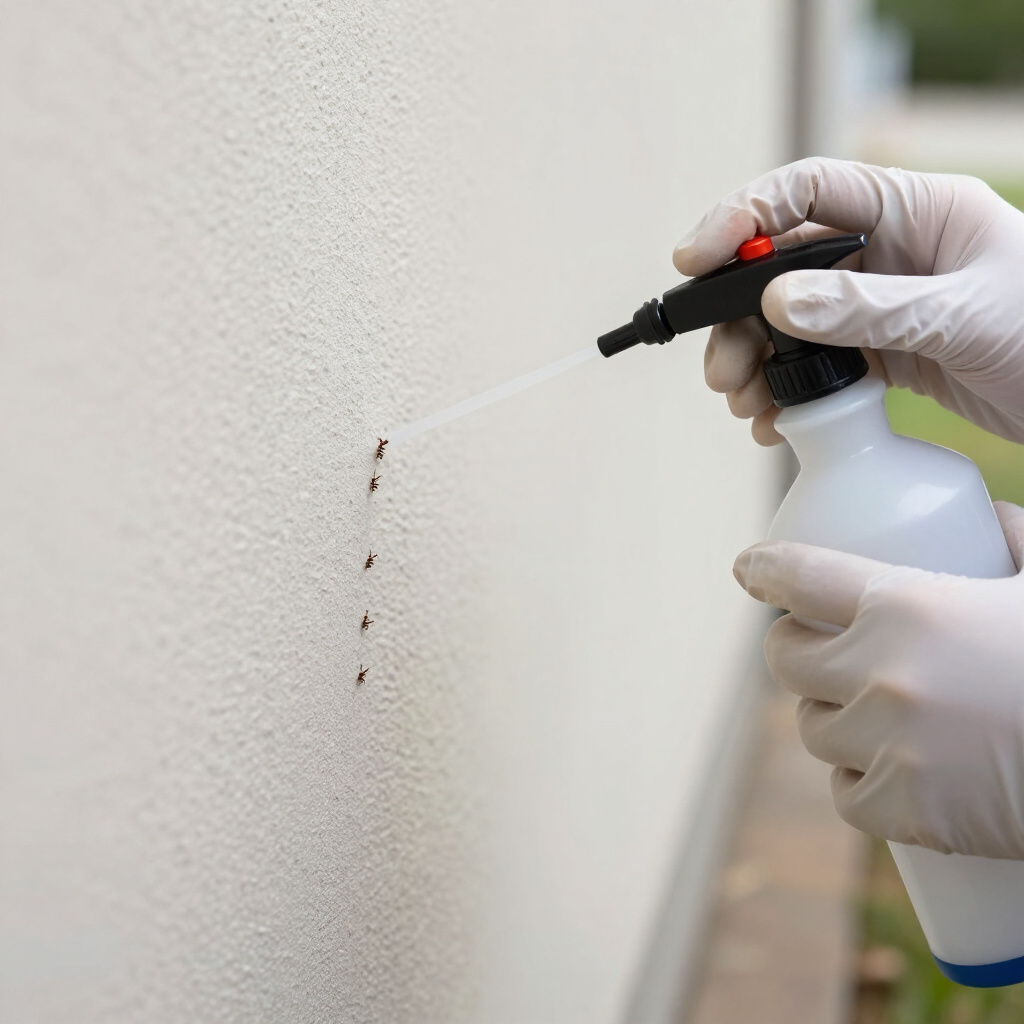
Create a defensive perimeter outdoors. Trim vegetation away from your home's exterior—branches touching walls and roofs serve as ant highways. Maintain a mulch-free zone of several inches directly against your foundation, or use inorganic materials like gravel instead of wood-based mulches that attract nesting. Consider applying a residual insecticide barrier around your foundation's base, reapplying according to product instructions throughout the active season.
Use natural deterrents strategically. While not foolproof, certain substances disrupt ant trails and repel scouting activity. Vinegar solutions wipe away the pheromone trails ants follow. Diatomaceous earth sprinkled in known entry areas damages ants' exoskeletons. Essential oils like peppermint, tea tree, and citrus can deter ants when applied to potential entry points, though these require frequent reapplication to remain effective.
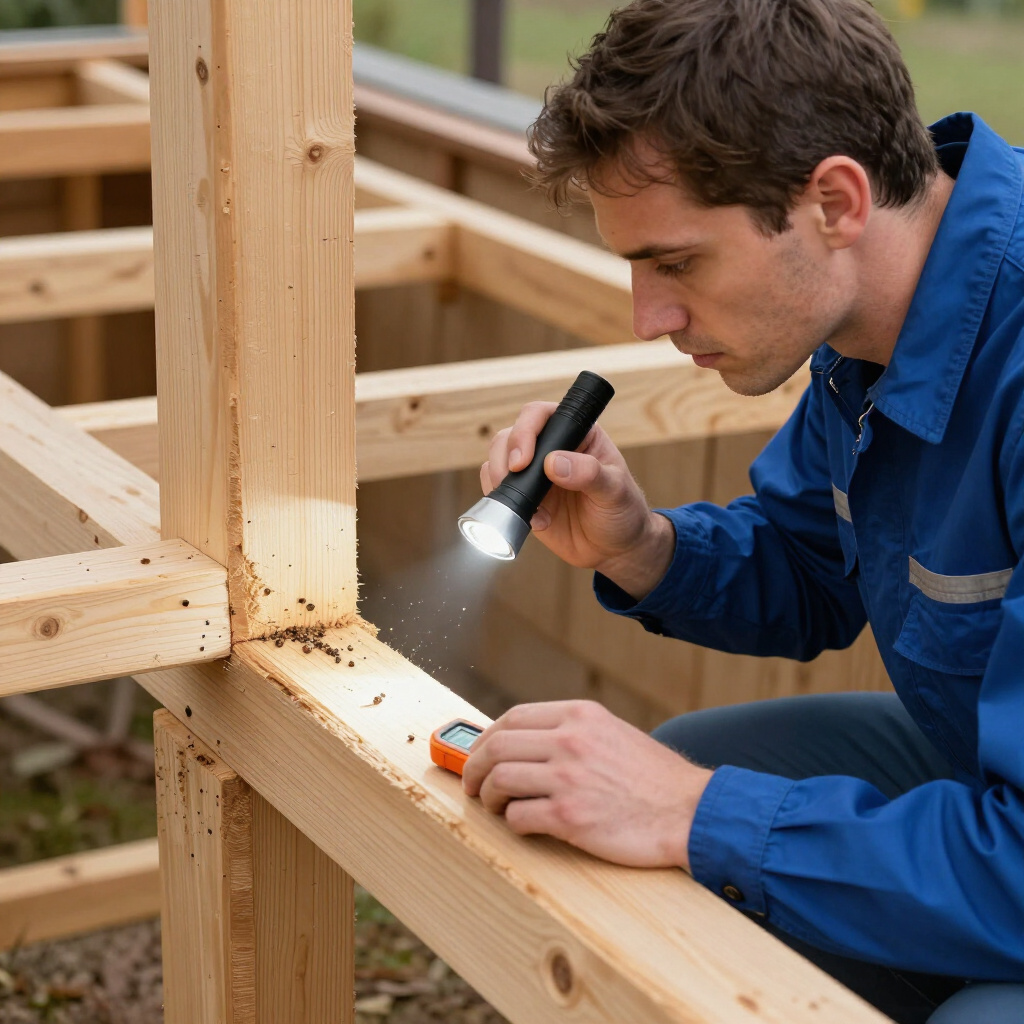
Know when professional intervention becomes necessary. If you're seeing ants consistently despite your prevention efforts, or if you notice sawdust-like frass indicating carpenter ant activity, it's time to call in experts. Professional pest control technicians can identify nest locations, apply targeted treatments, and spot vulnerabilities you might miss. They also have access to commercial-grade barriers and baits that provide longer-lasting protection than over-the-counter options.
Final Thoughts
Preventing ants from invading your home isn't about one dramatic action—it's about consistent habits and attention to detail. The most effective approach combines sealing physical entry points, eliminating food and water attractions, and maintaining your property to reduce harborage areas. Start with a thorough assessment of your home's current vulnerabilities, then work through improvements systematically.
Remember that ant prevention is an ongoing process rather than a one-time fix. Seasonal changes bring new challenges, and even well-maintained homes can develop new gaps or attractants over time. By staying proactive and addressing issues promptly, you'll keep your living space comfortable, clean, and ant-free. When prevention needs reinforcement, professional pest control services offer the expertise and tools to protect your home comprehensively.