

Spiders are skilled architects, but that doesn't mean you want them weaving webs in your corners or surprising you in the shower. Whether it's a harmless house spider or something that triggers a full-blown alarm, keeping these eight-legged visitors outside where they belong is entirely achievable. The good news? You don't need harsh chemicals or elaborate traps. A few strategic changes to your home environment and daily habits can make your space far less appealing to arachnids looking for shelter, food, or a quiet place to raise their young.
How to Keep Spiders Out of Your House by Sealing Entry Points
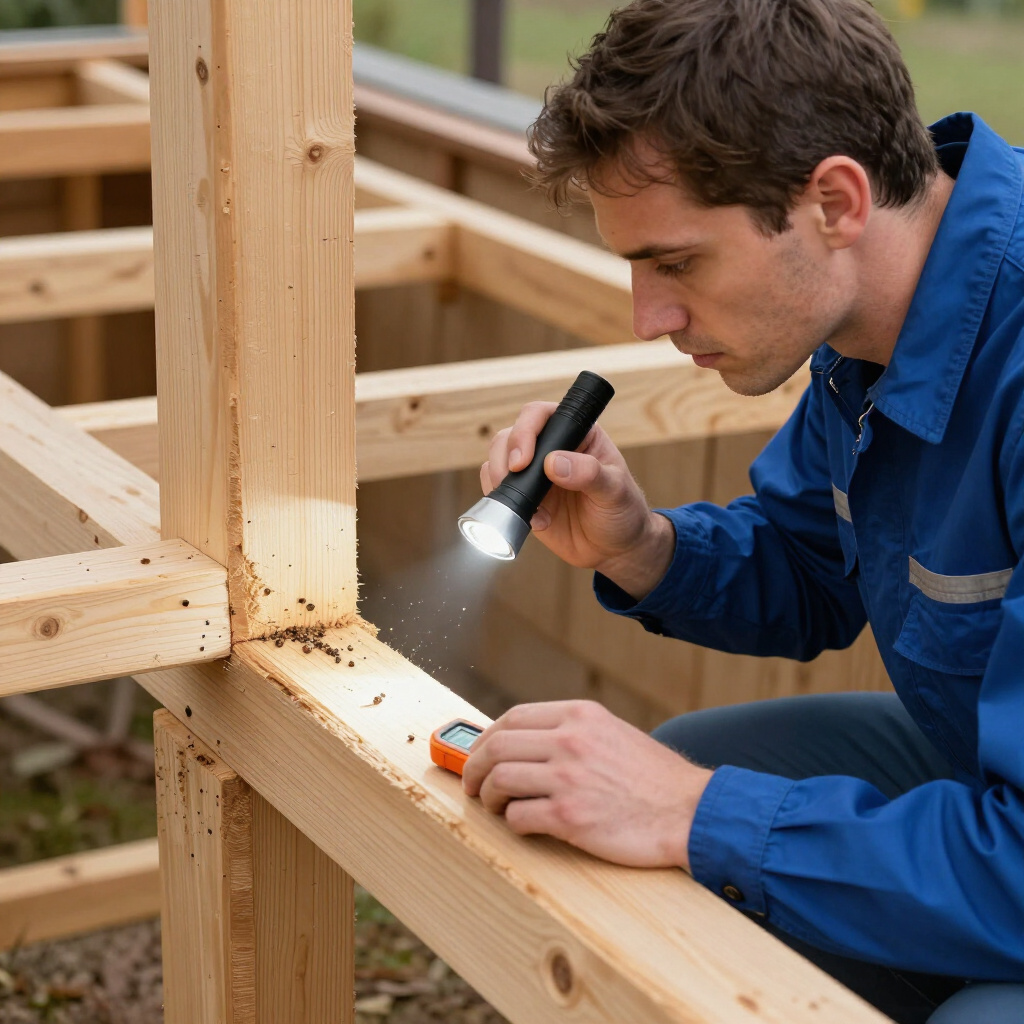
The most effective spider prevention starts with understanding how they get inside in the first place. Spiders don't need much space—gaps as small as a pencil's width can serve as an open door. Begin your defense by conducting a thorough perimeter inspection of your home, paying special attention to areas where utilities enter, foundation cracks, and worn weather stripping around doors and windows.
Repair or replace damaged screens promptly, and consider adding door sweeps if you notice daylight beneath exterior doors. Caulk gaps around window frames, pipe penetrations, and where siding meets trim. Don't overlook the garage—it's often a spider highway into your main living space. Keep the garage door closed when not in use, and seal the threshold where it meets the concrete pad.
Ventilation openings require a different approach. Cover attic vents, soffit vents, and crawl space openings with fine mesh screens that allow airflow while blocking spider entry. Standard hardware cloth with quarter-inch mesh is too generous; opt for finer screening that still meets fire safety codes for your area.
Reduce the Insect Prey That Attracts Spiders
Spiders enter homes for the same reason most creatures do: food and shelter. Since spiders feed on insects, an abundance of flies, moths, ants, or other bugs essentially rolls out the welcome mat. Addressing your broader pest situation naturally diminishes spider appeal.
Start with your lighting. Exterior lights left on overnight draw flying insects, which in turn draw hunting spiders. Switch to warm-colored LED bulbs or sodium vapor lights, which are less attractive to insects than traditional white lighting. Consider motion-activated fixtures so lights remain off when not needed. Inside, draw blinds or curtains in the evening to prevent interior light from spilling outside and creating an insect gathering spot at your windows.
Your landscaping choices matter too. Overgrown vegetation touching your home's exterior creates a vegetative bridge for spiders and their prey. Maintain a gap of at least twelve inches between foundation plantings and your walls. Keep firewood stacks, compost bins, and rock piles away from the house—these are spider favorites that can serve as staging grounds for indoor invasions.
Inside, eliminate clutter where both insects and spiders hide. Cardboard boxes, piles of newspapers, and undisturbed storage areas provide harborage. Switch to plastic storage containers with tight-fitting lids, and periodically disturb and clean quiet corners, basements, and attics.
Manage Moisture and Environmental Conditions
Spiders favor consistent humidity and protected microclimates. Your home's moisture profile directly influences how attractive it is to both spiders and the insects they eat. Address leaks under sinks, around toilets, and in basements promptly. Ensure bathrooms are well-ventilated with exhaust fans that vent completely outside, not into attic spaces.
Dehumidifiers make a measurable difference in damp basements and crawl spaces, bringing relative humidity below the threshold where many pests thrive. In crawl spaces specifically, proper vapor barriers on bare earth prevent ground moisture from rising into your home's structure.
Consider your storage habits as well. Items stored directly against exterior walls or on basement floors create ideal spider habitat. Elevate stored goods on shelving, and maintain space between items and walls to improve air circulation and reduce hidden harborages.
Key Tips for Ongoing Spider Prevention
Consistency outperforms occasional heroic efforts when it comes to keeping spiders at bay. Integrate these practices into your regular home maintenance routine:
Clean strategically. Vacuum thoroughly and regularly, not just floors but ceilings, corners, window tracks, and behind furniture. Use your vacuum's hose attachment to remove existing webs, egg sacs, and any spiders present. Dispose of the vacuum contents outside immediately afterward.
Apply natural deterrents mindfully. While no natural remedy creates an impenetrable barrier, certain scents spiders find unpleasant may provide modest supplementary protection. Peppermint oil, vinegar solutions, and citrus sprays applied to entry points and known spider pathways can contribute to your overall strategy. Reapplication is necessary as these substances dissipate quickly.
Monitor with purpose. Place sticky traps in suspected activity areas—basements, garages, closets, and utility rooms. These won't eliminate a spider problem alone, but they reveal where spiders are traveling and whether your prevention efforts are working. A sudden increase in trapped spiders signals it's time to intensify your inspection and sealing efforts.
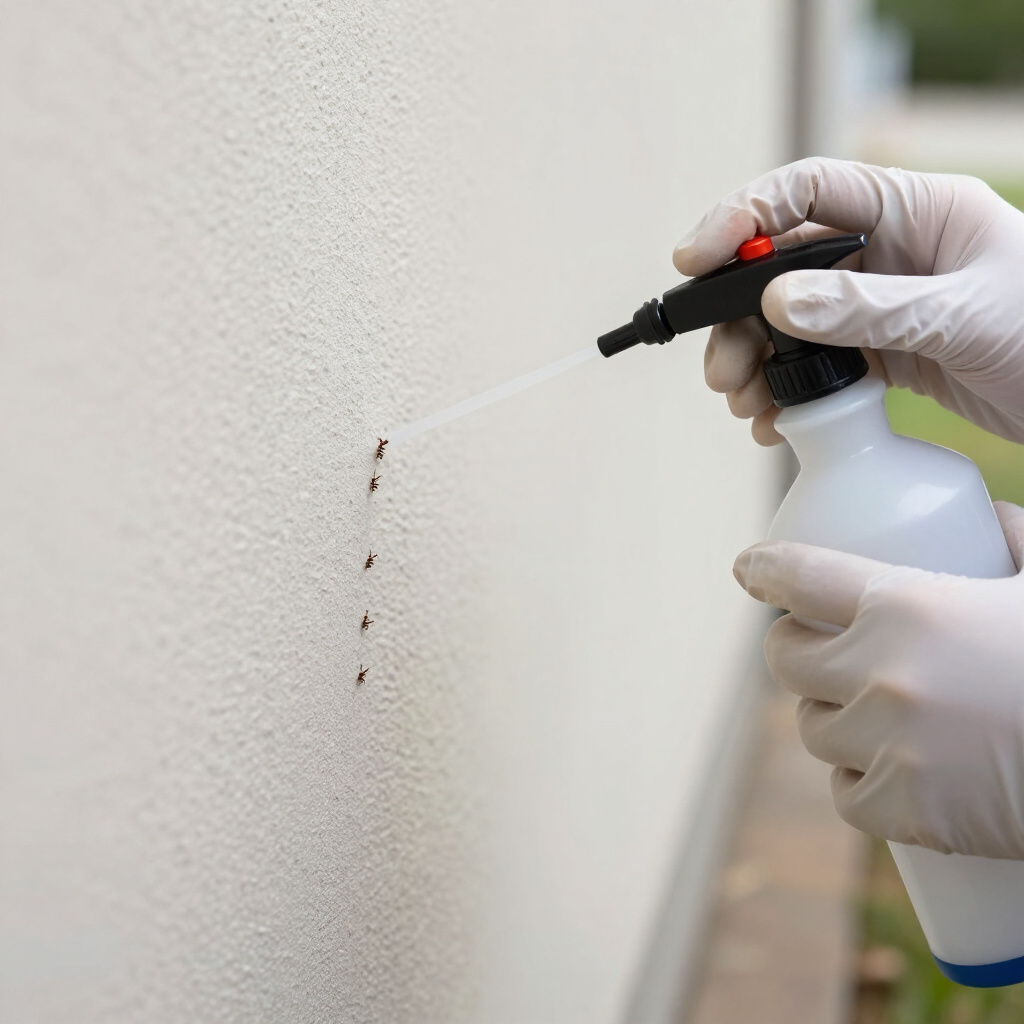
Be selective about outdoor treatments. Perimeter pesticide applications can reduce spider populations near your foundation, but they require knowledge of proper products and application techniques. Misapplied treatments pose risks to beneficial insects, pets, and pollinators. Professional application ensures appropriate product selection and placement that targets actual entry zones rather than broadcasting unnecessarily.
Final Thoughts
Learning how to keep spiders out of your house isn't about achieving a spider-free existence—that's neither realistic nor ecologically desirable, as spiders do consume genuine pests. Rather, effective prevention means maintaining boundaries that respect both your comfort and their outdoor role. The strategies that work best—sealing entry points, reducing insect prey, managing moisture, and consistent cleaning—also improve your home's overall health, energy efficiency, and pest resilience.
If despite your best efforts you're encountering venomous species, facing persistent heavy infestations, or simply prefer not to handle spider management yourself, professional pest control services can assess your specific situation and implement targeted, responsible solutions. The investment in expert evaluation often reveals hidden entry points or conducive conditions that DIY efforts miss, delivering lasting results that protect your home year-round.