
There's nothing quite like that sinking feeling when you flip on the kitchen light at midnight and see a cockroach skittering across your counter. These resilient pests aren't just unsettling—they can contaminate food, trigger allergies, and multiply with alarming speed. If you're dealing with an infestation, you need answers that actually work, not vague promises or old wives' tales. Let's walk through proven strategies to reclaim your home quickly and keep these unwelcome visitors from coming back.
How to Get Rid of Cockroaches Fast Starts with Understanding the Enemy
Before you start spraying everything in sight, take a moment to understand what you're up against. Cockroaches are survival experts that have been around for millions of years, which means they've developed impressive resistance to many common elimination methods. German cockroaches, the small tan variety most common in homes, can produce hundreds of offspring in a single year. Larger species like American or Oriental cockroaches prefer damp, dark spaces and can squeeze through cracks no wider than a dime.
Knowing your specific invader matters because different species behave differently. German cockroaches typically nest in kitchens and bathrooms, staying close to food and water sources. American cockroaches often enter from outside through drains or foundation cracks. Take note of where you're seeing them, what size they are, and whether they're active during day or night—this intelligence will guide your entire strategy.
Eliminate What They Need to Survive
Cockroaches require three things: food, water, and shelter. Remove even one of these, and your problem becomes dramatically easier to solve. Start with a thorough deep clean that goes beyond your normal routine. Pull out appliances and scrub behind them. Empty and clean kitchen cabinets, paying special attention to corners where crumbs collect. Vacuum under furniture, along baseboards, and inside closet floors where you rarely look.
Food storage is equally critical. Transfer dry goods to airtight containers—not the thin plastic ones cockroaches can chew through, but sturdy glass or thick plastic with tight seals. Never leave pet food out overnight. Wipe down counters and sweep floors every evening, even if you don't see obvious messes. A few stray crumbs are a feast for a cockroach colony.
Water control often gets overlooked but makes a huge difference. Fix leaky faucets and pipes immediately. Dry sinks and tubs before bed. Place dehumidifiers in damp basements or crawl spaces. Without moisture, cockroaches become desperate and far more susceptible to baits and traps.
Choose Your Weapons Wisely
The pest control aisle can be overwhelming, but not all products deliver equal results. For fast knockdown, gel baits are your best friend. These syringe-applied products contain slow-acting poison mixed with attractants. Cockroaches eat the bait, return to their hiding spots, and die—where other roaches then consume their poisoned bodies, creating a cascading effect that reaches deep into the colony. Apply tiny pea-sized dots in cracks, crevices, and along cabinet hinges where you see activity or suspect nesting.
Insect growth regulators (IGRs) work differently but are equally valuable. These chemicals don't kill adult roaches; instead, they prevent eggs and nymphs from developing properly. Used alongside baits, IGRs stop the reproductive cycle while the bait eliminates existing populations. Look for products containing hydroprene or methoprene.
Sticky traps serve double duty as monitoring tools and physical removal devices. Place them along walls, under sinks, near appliances, and in corners. Check them regularly—not just to see how many you're catching, but to identify where activity concentrates. Heavy trap catches in one area signal a nest nearby, helping you target treatments more precisely.
Diatomaceous earth offers a natural, non-toxic option that works through physical rather than chemical action. This powdery substance damages the waxy coating on cockroach exoskeletons, causing fatal dehydration. Dust thin layers in wall voids, behind appliances, and in other hidden spaces where roaches travel. Use food-grade diatomaceous earth and wear a mask during application to protect your lungs from the fine particles.
Seal Them Out for Good
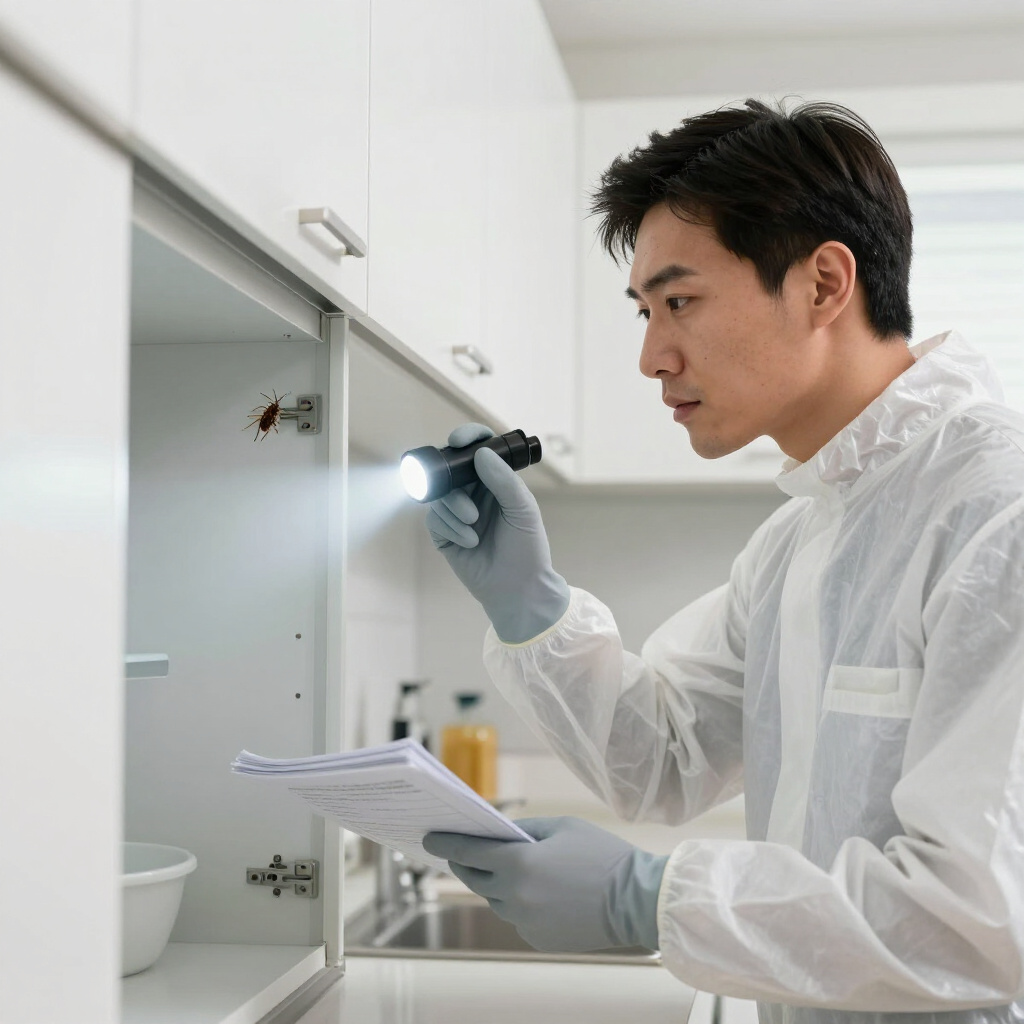
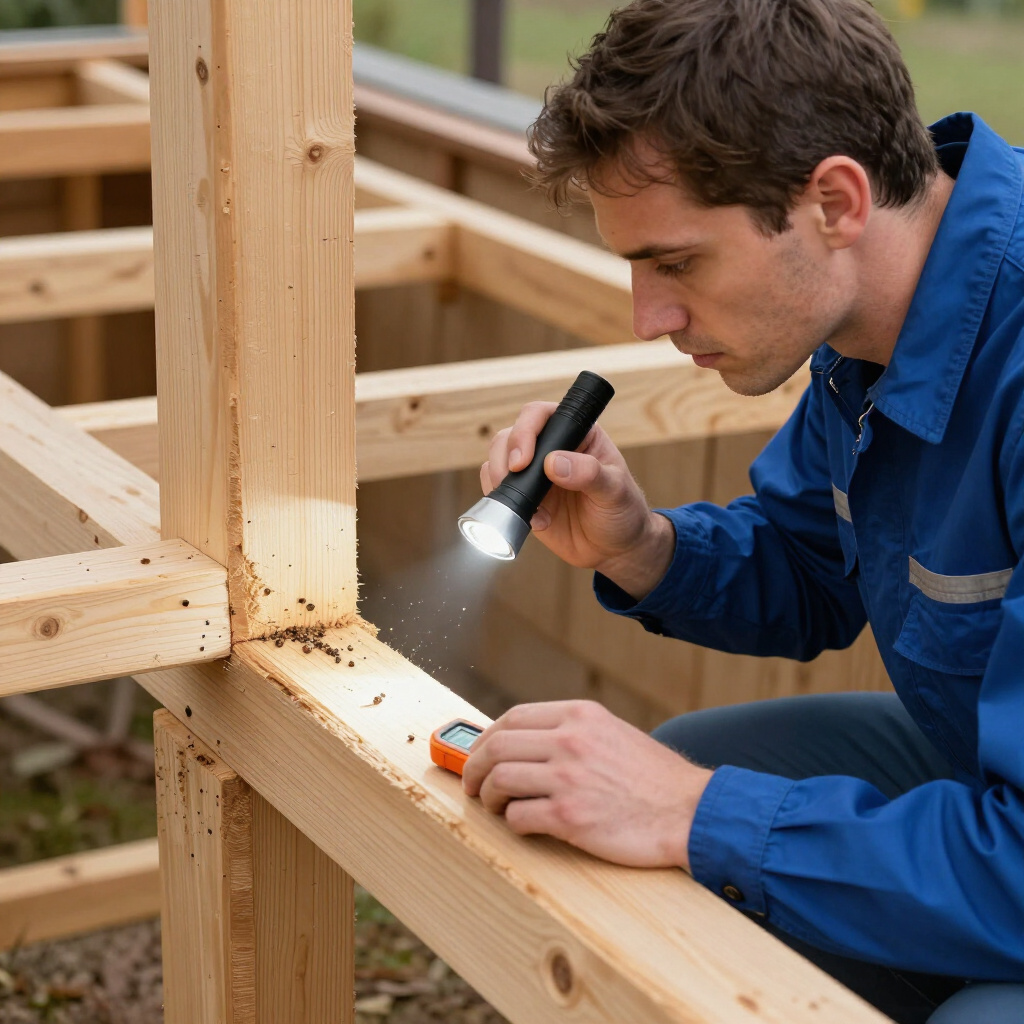
Killing existing roaches solves only half the problem. Preventing new ones from entering completes your defense. Conduct a thorough inspection of your home's exterior and interior, looking for gaps, cracks, and openings. Pay special attention to where utility lines enter walls, spaces around windows and doors, and gaps where baseboards meet floors.
Seal openings with appropriate materials: steel wool for larger gaps that need filling, caulk for cracks and seams, and weatherstripping for door bottoms and window frames. Don't forget interior hiding spots—cover drain openings with fine mesh screens, repair loose wallpaper where roaches might nest behind it, and seal gaps around pipe penetrations under sinks.
For homes with recurring American or Oriental cockroach problems, examine your foundation drainage and landscaping. These species often live outdoors and enter when conditions become unfavorable. Ensure gutters direct water away from your foundation, trim vegetation back from walls, and eliminate standing water in yard debris or containers.
Key Tips for Accelerating Your Success
When you need results quickly, these additional tactics can speed your timeline. First, reduce clutter immediately. Cardboard boxes, stacks of paper, and piled clothing provide perfect harborage. Replace cardboard storage with plastic bins. Process mail and recycle newspapers promptly. The fewer hiding spots available, the more concentrated roach activity becomes—and the more effective your treatments.
Heat can be surprisingly effective for items that can't be chemically treated. Small appliances, electronics, or decorative objects can be sealed in black garbage bags and placed in direct summer sunlight for several hours, where interior temperatures will kill any stowaways. For more severe infestations in specific rooms, professional heat treatment raises entire spaces to lethal temperatures without chemicals.
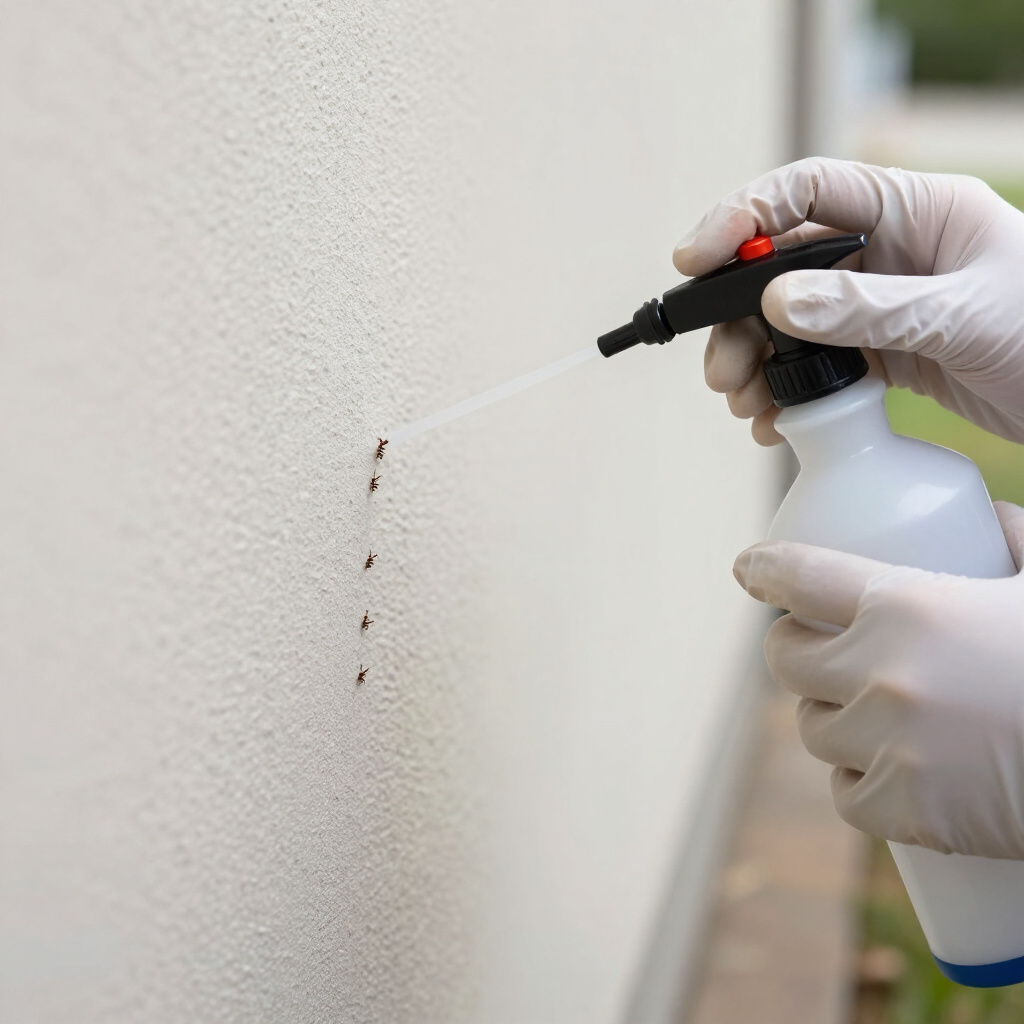
Be strategic with your timing. Cockroaches are nocturnal, so apply baits and place traps in early evening when they're beginning to emerge. Avoid cleaning treated areas for several days to let baits work undisturbed. And resist the urge to spray over your baits—repellent sprays can contaminate attractants and drive roaches away from the very poisons meant to kill them.
Finally, know when to call professionals. If you're seeing roaches during daylight, finding egg cases, or continuing to spot them after two to three weeks of diligent treatment, you're likely facing a large established colony. Pest control professionals have access to commercial-grade products, specialized equipment like wall void injectors, and the expertise to identify hidden nesting sites that homeowners typically miss.
Final Thoughts
Getting rid of cockroaches fast demands a multi-pronged approach: sanitation to remove their survival resources, targeted treatments to eliminate existing populations, and exclusion work to prevent reinfestation. No single tactic works alone, but combined strategically, these methods can bring even stubborn infestations under control within days to weeks.
The key is persistence and attention to detail. Cockroaches didn't invade your home overnight, and while you can achieve dramatic reduction quickly, complete elimination requires following through on every aspect of your plan. Stay vigilant with cleaning, monitor with traps, and maintain your sealed barriers. Your reward will be a home where midnight kitchen trips are peaceful once again—no unwelcome surprises when you flip that switch.