
When ants march across your kitchen counter or you spot a mouse darting behind the fridge, the immediate question becomes: tackle the problem yourself or call in the pros? Both DIY pest control and hiring a professional have their place, but choosing the right approach can mean the difference between a quick fix and an ongoing infestation. Understanding when to roll up your sleeves and when to pick up the phone will save you time, money, and unnecessary stress.
DIY Pest Control: When It Works and When It Falls Short
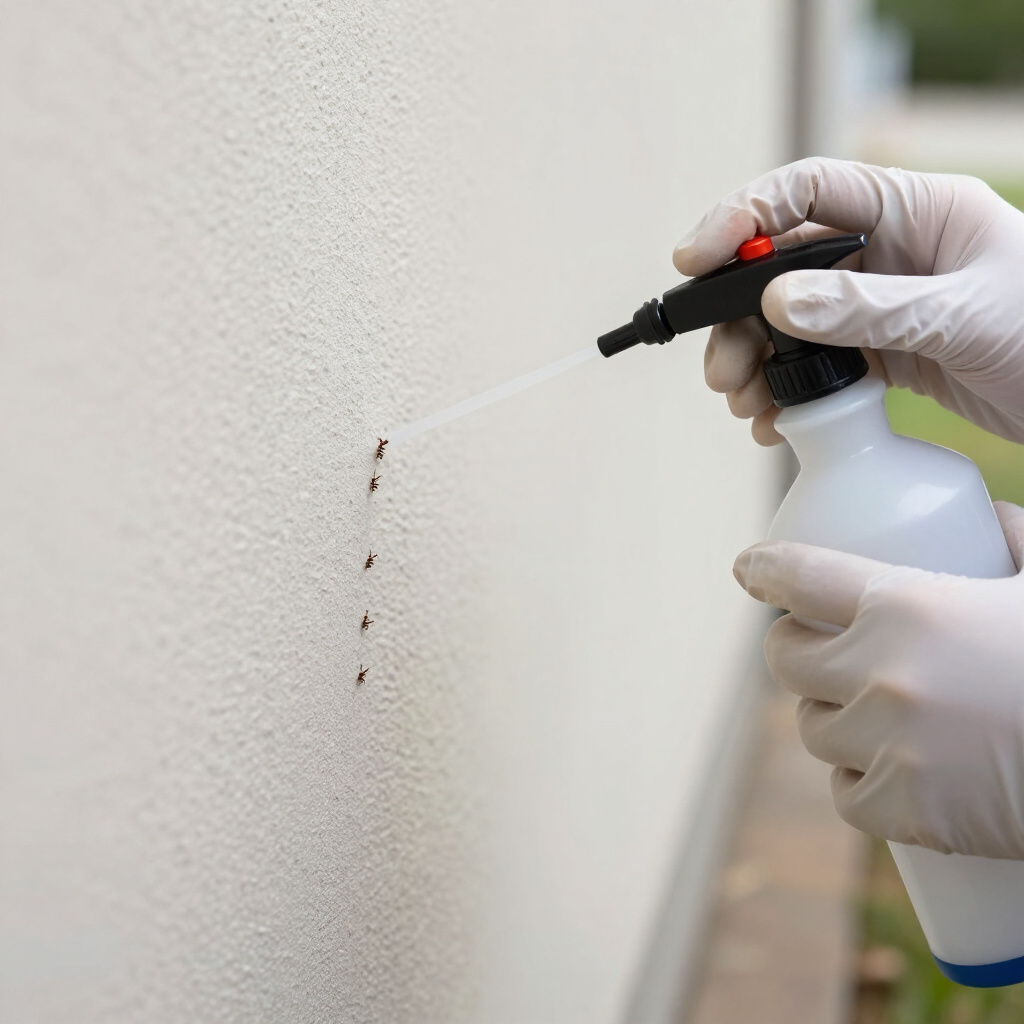
DIY pest control appeals to many homeowners for obvious reasons—it's convenient, immediately accessible, and often less expensive upfront. A trip to the hardware store for traps, sprays, or bait stations can feel like taking swift action against an unwelcome invader.
For minor, isolated problems, DIY methods can be genuinely effective. A single ant trail marching toward a forgotten crumb, the occasional spider in the basement, or a wasp nest that's accessible and newly formed—these scenarios often respond well to store-bought solutions. Sealing entry points, keeping food in airtight containers, and maintaining a clean home form the foundation of good pest prevention that every homeowner should practice.
However, DIY pest control has significant limitations that many people discover too late. Over-the-counter products typically contain lower concentrations of active ingredients than professional-grade treatments, meaning they may only address surface-level symptoms rather than the root cause. You might kill the ants you see while missing the colony hidden inside your walls. Worse, misapplied chemicals can pose health risks to children, pets, and beneficial insects like pollinators. There's also the frustration factor: repeated trips to the store, trial and error with different products, and the sinking realization that the problem keeps returning.
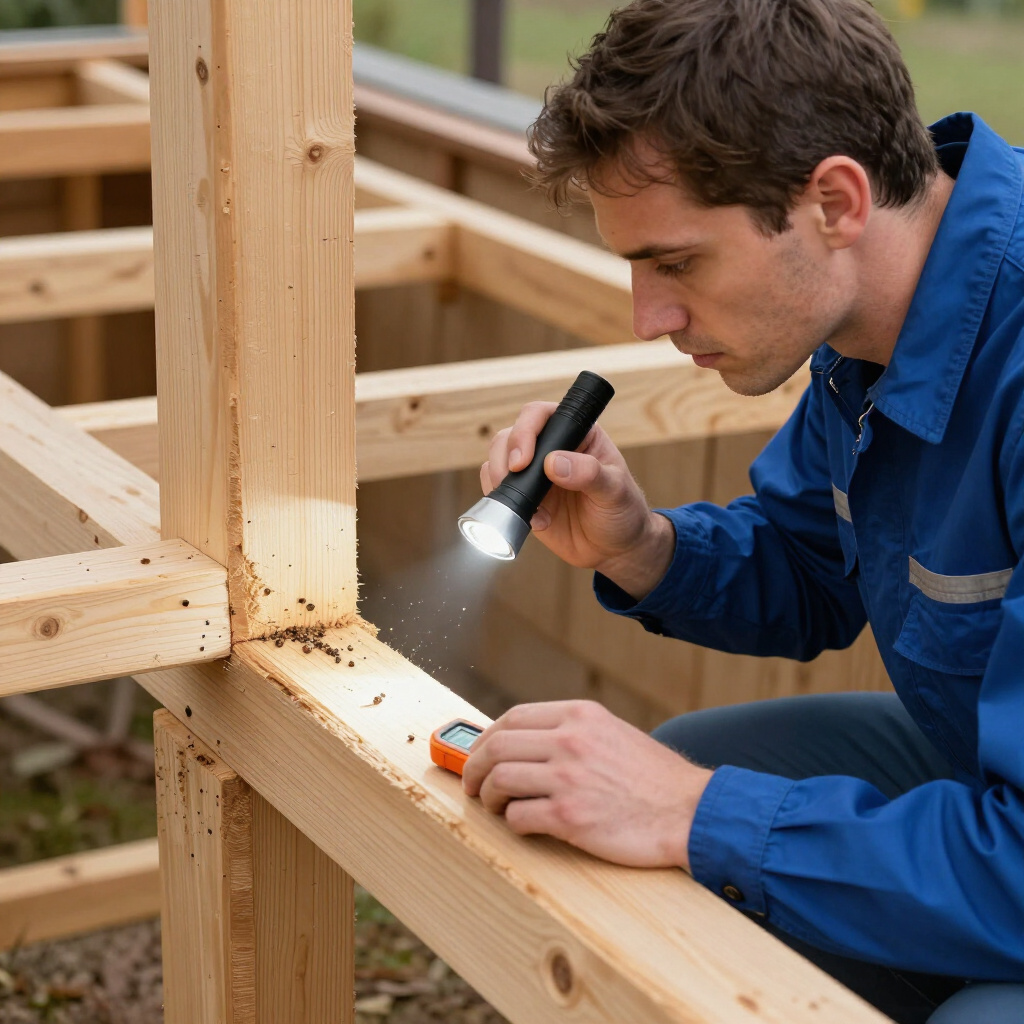
Perhaps the biggest risk with DIY approaches is misidentification. Treating a carpenter ant infestation like a simple sugar ant problem, or failing to recognize the difference between a harmless ground beetle and a powderpost beetle, can allow serious structural damage to continue unchecked.
The Value of Hiring a Professional Exterminator
Professional pest control brings expertise, specialized equipment, and comprehensive strategies that go far beyond what retail products can offer. When you hire a professional, you're paying for training, experience, and access to treatments that aren't available to the general public.
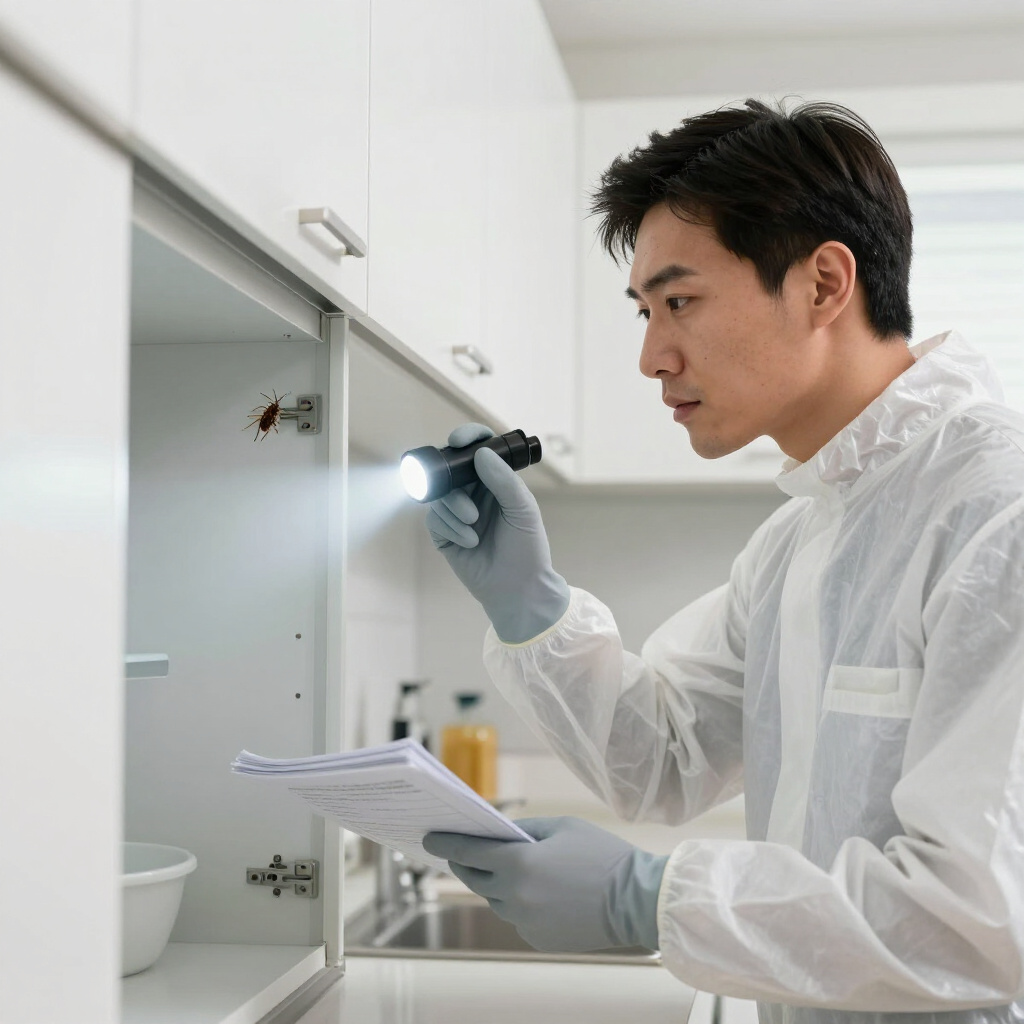
A qualified technician begins with thorough inspection and accurate identification—arguably the most critical steps in effective pest management. They understand pest biology and behavior, allowing them to locate nests, identify entry points you might overlook, and recognize signs of infestation that escape untrained eyes. This diagnostic precision means treatments target the actual problem rather than symptoms.
Professionals also employ integrated pest management approaches that combine multiple tactics: mechanical controls, habitat modification, targeted chemical applications, and ongoing monitoring. They know which products work best for specific pests in your particular climate and environment, and they apply them safely according to strict regulations. Many companies offer warranties or follow-up visits, providing peace of mind that if pests persist, additional treatment won't cost extra.
Certain situations virtually demand professional intervention. Termites, bed bugs, extensive rodent infestations, and any pest posing significant health risks—such as venomous spiders or disease-carrying rodents—warrant expert handling. The potential cost of inadequate treatment far exceeds the investment in professional service when structural damage or health consequences are at stake.
That said, not all pest control companies deliver equal value. Researching credentials, reading reviews, and asking about treatment methods and guarantees helps ensure you hire a reputable provider who prioritizes long-term solutions over repeated service calls.
Key Tips for Making the Right Choice
Start with honest assessment. How severe is the infestation? How long has it persisted? Multiple pests or a recurring problem despite your efforts strongly suggests you need professional help. Consider your own comfort level, too—if handling pesticides or confronting rodents causes significant anxiety, that's a valid reason to outsource the work.
If you proceed with DIY pest control, always read labels completely and follow instructions precisely. Never use outdoor products indoors, and store all chemicals away from children and pets. Focus on prevention alongside treatment: eliminate food sources, reduce moisture, seal cracks and gaps, and maintain your yard to discourage pest harborage.
When interviewing professionals, ask specific questions. What training and certifications do technicians hold? Do they offer integrated pest management options or rely primarily on chemical treatments? What does their warranty cover, and what follow-up services are included? A trustworthy company will answer transparently without pressuring you into immediate decisions.
For ongoing protection, consider whether a maintenance plan makes sense for your situation. Homes in pest-prone areas, properties with previous infestations, or those surrounded by conducive conditions—dense vegetation, nearby water sources, neighboring infestations—often benefit from quarterly professional inspections that catch problems early.
Final Thoughts
DIY pest control and professional services aren't mutually exclusive; many homeowners successfully combine both approaches. Handle minor, straightforward issues yourself while building a relationship with a trusted professional for complex problems and preventive care. The key is matching the solution to the situation's actual demands rather than defaulting to whichever option feels easier in the moment.
Effective pest management ultimately protects your home's integrity, your family's health, and your peace of mind. Whether you reach for a spray bottle or a phone, make that choice based on clear-eyed evaluation of the problem at hand. And remember—when in doubt, consulting a professional for an inspection costs little compared to the expense of untreated damage or a worsening infestation that DIY methods failed to contain.